Cleaning shrimp with lemon juice combines a quick pat-down with a fresh citrus aroma, helping to remove any surface impurities while imparting light flavor. This method is practical for home cooks who want a simple, tasty way to prep shrimp for grilling, sautéing, or steaming. The following guide outlines steps, tools, and safety tips to achieve bright, clean shrimp ready for any seafood recipe.
Quick Answer
Quick Method: Rinse shrimp under cold water, pat dry, and gently rub with halved lemon or apply lemon juice directly, then rinse again. Use a shrimp deveiner or tweezers to remove shells and veins as needed. Finish by patting dry and proceeding with your recipe.
What You’ll Need
General tools and materials are listed below. Use this kit to streamline the process and ensure consistent results.
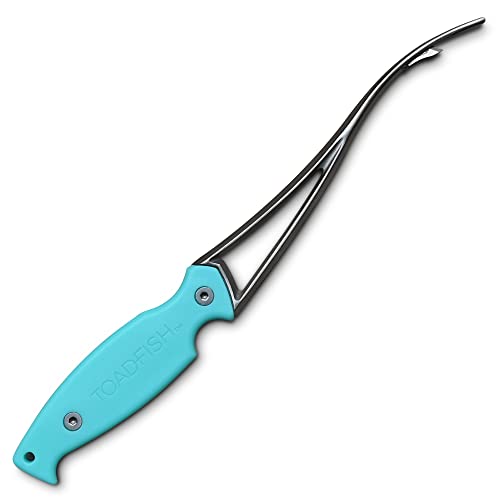
- Shrimp deveiner stainless steel tool
- Shrimp cleaning kit seafood deboner tweezers
- Stainless steel kitchen citrus juicer lemon squeezer
- Lemon zester with juicer for seafood marinade
- Marinating silicone brush set for seafood lemon juice
- Fresh lemons or bottled lemon juice for immediate use
- Clean cutting board and knife for prep


Before You Start
Before beginning, ensure your workspace is clean and well-lit. Have a dedicated area for shellfish prep to minimize cross-contamination with other foods. Keep seafood separate from ready-to-eat items and wash hands thoroughly after handling raw shrimp. Time estimate: 5–10 minutes for a small batch; up to 20 minutes for a larger or heavily deveined batch.
Step-By-Step: How To Clean Shrimp With Lemon Juice
- Rinse the shrimp under cold running water to remove surface debris.
- Pat the shrimp dry with a clean paper towel to reduce splatter when lemon juice is applied.
- Use the shrimp deveiner stainless steel tool or seafood tweezers to remove the vein along the back of each shrimp.
- Cut a lemon in half and squeeze the juice into a small bowl using the stainless steel citrus juicer for maximum efficiency.
- Brush or lightly drizzle lemon juice over the shrimp with the marinating silicone brush set, ensuring even coverage.
- Let the shrimp sit for 1–2 minutes to allow the acid to loosen any remaining impurities, then rinse briefly under cold water.
- Pat dry again and proceed with your chosen cooking method (grill, sauté, or steam).
- Optional: Zest a little lemon peel over the shrimp for extra aroma and flavor using the lemon zester with juicer.
- If marinating, combine lemon juice with a light oil and seasonings in a separate bowl, then add shrimp and refrigerate for up to 30 minutes.
- Cook promptly after marinating to maintain texture and prevent over-softening from the acid.
- Dispose of used lemon peels and clean all utensils and surfaces with hot, soapy water.
Troubleshooting
| Symptom | Likely Cause | Fix | Prevention |
|---|---|---|---|
| Shrimp smell strong after cleaning | Residue or improper rinsing | Rinse thoroughly with cold water and pat dry | Rinse immediately after handling and before lemon treatment |
| Juice causes uneven coating | Juicer not fully extracting juice | Use a sturdier citrus juicer or hand-press lemon halves | Choose fresh lemons at peak ripeness |
| Shells sticking to shrimp | Incomplete deveining | Revisit the back with tweezers and remove any remaining veins | Inspect shrimp before cleaning |
| Texture becomes mushy after lemon exposure | Exposure time too long | Limit lemon contact to 1–2 minutes | Do not marinate too long in acidic liquid |
Common Mistakes
- Over-soaking shrimp in lemon juice, which can soften texture
- Skipping proper deveining, leaving gritty veins
- Using cold lemon juice directly on warm shrimp, causing uneven flavor
- Cross-contaminating with raw shrimp by neglecting clean surfaces
By avoiding these errors, cooks can achieve cleaner shrimp with bright citrus notes without compromising texture.
Tips For Best Results
- Choose lemons that are heavy for their size and fragrant at the rind for stronger juice and aroma.
- Use a dedicated seafood cutting board to prevent aroma transfer to other foods.
- Pat shrimp dry after each lemon application to prevent excessive moisture during cooking.
- Pair lemon juice with a light oil and herbs for a quick marinade that enhances flavor without overpowering the shrimp.
- Rinse citrus peels before zesting to remove any residual pesticides or waxes from the surface.
Call A Professional
Call a professional if the shrimp show signs of spoilage, such as off-putting odor, slimy texture beyond normal freshness, or an unusual color that cannot be explained by cooking. If cleaning a large quantity for a commercial kitchen or event, consult a food safety specialist to ensure proper handling and sanitation practices.
FAQ
Is lemon juice safe to use for cleaning shrimp?
Yes, lemon juice is a natural acid that helps remove surface impurities and adds a fresh aroma, provided shrimp are rinsed and handled hygienically.
Do I need to rinse shrimp after applying lemon juice?
Lightly rinse to remove excess juice and debris, then pat dry before cooking to maintain texture.
Can I substitute lime or vinegar for lemon juice?
Yes, lime provides a similar acidity and aroma, while mild vinegar can work in a pinch; adjust flavor to avoid overpowering the shrimp.
How long should marinated shrimp sit in lemon juice?
Keep marinating to 15–30 minutes maximum to preserve texture; longer exposure can break down the shrimp.
Buying Guide
When selecting tools for cleaning and preparing shrimp with lemon juice, consider size, material, and ease of use. A high-quality shrimp deveiner stainless steel tool should feel durable and comfortable in the hand. A robust stainless steel kitchen citrus juicer lemon squeezer improves efficiency, especially when preparing larger batches. A lemon zester with juicer helps add fresh zest for marinades, while a marinating silicone brush set enables even distribution of lemon juice and seasonings. Prioritize tools that are easy to clean and withstand frequent use in the kitchen. For space and budget considerations, look for compact, dishwasher-safe options that stack neatly with other seafood prep gear.