Stains from bodily fluids can be tricky, especially on delicate fabrics and porous fibers. This guide provides practical steps using common household products to remove semen stains effectively while protecting fabric integrity. Following the right order and treating promptly yields the best results for most fabrics and colors.
Quick Answer
Act quickly, scrape any excess, rinse with cold water, apply enzyme or oxygen-based stain removers designed for protein stains, and launder as directed. For delicate fabrics, spot-treat with a fabric brush and use a gentle cycle.
A Practical Shopping List
What you’ll need to tackle semen stains at home includes targeted stain removers and a gentle cleaning tool. The following products are commonly used tools in this process:
- enzyme laundry stain remover for protein stains
- pre-wash semen stain remover spray
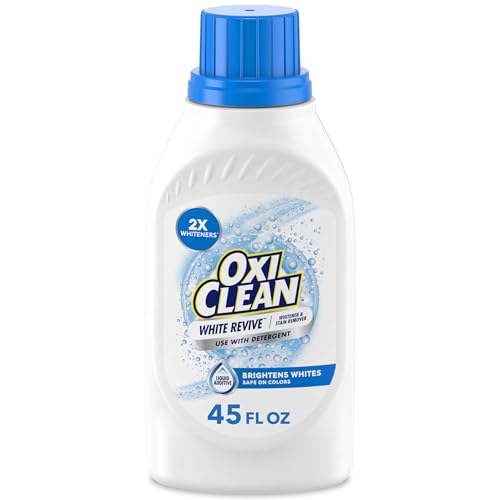
- oxygen-based stain remover for protein stains
- laundry odor eliminator with enzyme for semen stains
- fabric stain brush scrubber for delicate fabrics


Before You Start
Before treating semen stains, consider the fabric type and colorfastness. Always perform a spot test in an inconspicuous area to ensure the remover won’t damage fibers or alter color. Use cold water to avoid setting proteins. Avoid heat until you’re sure the stain is gone, because heat can set protein-based stains. If multiple fabrics are involved, separate whites from colors to prevent dye transfer. Time estimates vary: spot-treatments may take 5–15 minutes, while a full wash can take 20–60 minutes depending on the garment and washing method. Careful handling reduces wear and preserves fabric integrity.
Step-By-Step: How To Clean Semen Stains
- Act quickly: blot, don’t rub, to lift excess liquid without pushing it deeper into fibers.
- Rinse with cold water from the reverse side of the stain to push the liquid out of the fabric.
- Apply pre-wash semen stain remover spray or a targeted enzyme-based treatment to the stain. Follow the product’s directions for dwell time.
- Gently work the solution into the fabric using a fabric stain brush scrubber for delicate fabrics to avoid fiber damage.
- For sturdy fabrics, you may also use enzyme laundry stain remover for protein stains or oxygen-based stain remover for protein stains as a second boost. Allow dwell time per label.
- Rinse again with cold water, ensuring all cleaning agents are removed from the fabric.
- Launder according to the garment’s care label. Use the washing machine on the cold water setting with a color-safe detergent. If the stain persists, repeat the stain-treatment steps before drying.
- Air-dry the item to verify stain removal. Avoid the dryer until the stain is completely gone, as heat can set any remaining residues.
- If odors persist after washing, use a laundry odor eliminator with enzyme for semen stains in the wash cycle or as a booster in the rinse.
- For towels or bulkier fabrics, consider soaking in a solution of enzyme-based or oxygen-based stain remover prior to washing for uniform results.
- For persistent or colored fabrics, test a hidden seam or hem first and adjust the approach accordingly.
- Finish with a second wash if the stain is not fully removed, repeating the enzyme or oxygen-based treatment as needed.
Troubleshooting
| Symptom | Likely Cause | Fix | Prevention |
|---|---|---|---|
| Stain persists after first wash | Protein stain not fully treated | Reapply enzyme or oxygen-based remover and launder again | Treat promptly; avoid heat during initial treatment |
| Fabric color faded | Harsh chemical from remover | Switch to a gentler enzyme-based product; test first | Always test on hidden area; follow label |
| Odor remains after washing | Residual organic material | Use laundry odor eliminator with enzyme in wash | Pre-treat thoroughly and ensure complete rinsing |
| Stain reappears after drying | Heat setting reactivated stain | Re-wet and re-treat before any heat exposure | Avoid dryer until confirmed clean |
Common Mistakes
- Using hot water on protein-based stains, which can set them.
- Rubbing aggressively, which can spread the stain or fray fibers.
- Skipping a stain test on delicate fabrics, risking color loss.
- Overloading the washing machine, which reduces cleaning effectiveness.
By avoiding these missteps, users improve outcomes and extend fabric life.
Tips For Best Results
- Treat stains as soon as possible for the highest success rate.
- Keep a routine set of stain-removing products ready for quick action.
- Use cold water wash cycles and appropriate detergents designed for colorfast fabrics.
- For delicate garments, hand wash or use a gentle cycle with minimal agitation.
- When in doubt, repeat the treatment rather than applying heat early in the process.
Call A Professional
Seek professional help if a stain resists multiple treatments after trying enzyme and oxygen-based removers, or if the fabric is valuable, antique, or has sentimental value. Contact a professional cleaner for fiber-safe options and stain restoration guidance. Stop treatments if the fabric shows signs of damage, dye bleeding, or shrinking potential.
FAQ
Can I use regular laundry detergent alone to remove semen stains?
Regular detergent can help, but protein-based stains respond best to enzyme or oxygen-based removers designed for protein stains.
Is warm or hot water okay for semen stains?
Warm or hot water can set protein-based stains, so cold water is recommended for initial treatment.
Should I dry clothes after stain removal?
No. Dry the item only after confirming the stain is fully removed to avoid heat setting any remaining residues.
Can I mix stain removers?
Follow product labels; mixing formulas can reduce effectiveness or cause fabric damage. Use one product at a time per stain session unless the label permits combination use.
Buying Guide
Choosing the right products depends on fabric type, stain severity, and typical laundry loads. Consider size, performance on protein stains, and how the product handles odors and delicate fabrics. Availability of enzyme-based versus oxygen-based formulas can influence results; some blends include odor control for fresh laundry. Look for clear usage instructions and dwell times to maximize efficacy. If households face frequent protein stains, stocking a combination of an enzyme stain remover and an oxygen-based option provides versatile coverage. For delicate fabrics like silk or wool, rely on gentle spot-treatments and brush tools designed for delicate fibers. Placement matters: pre-treat stains before washing to avoid spreading when garments are folded or piled. Ease of use and compatibility with typical washing machines streamline routine stain removal.