Portable air conditioners offer flexible cooling for single rooms, but their performance hinges on regular maintenance. Cleaning the coils, hoses, and drainage components helps maintain efficiency, prolongs the unit’s life, and keeps indoor air fresher. This guide provides a clear, step-by-step process tailored to American households while highlighting safety and practical tips.
Quick Answer
To properly clean a portable air conditioner, unplug the unit, remove and wash or wipe down accessible surfaces, inspect and clean the condensate drain hose, and refresh the evaporator coils with appropriate cleaners. Use a soft brush or vacuum attachment for delicate fins and never skip the drain line checks, especially in humid climates.
What You’ll Need
- Portable air conditioner condenser coil cleaning brush
- AC fin comb for portable air conditioner cleaning fins
- portable AC condensate drain hose replacement kit
- mini vacuum attachment for portable air conditioner cleaning
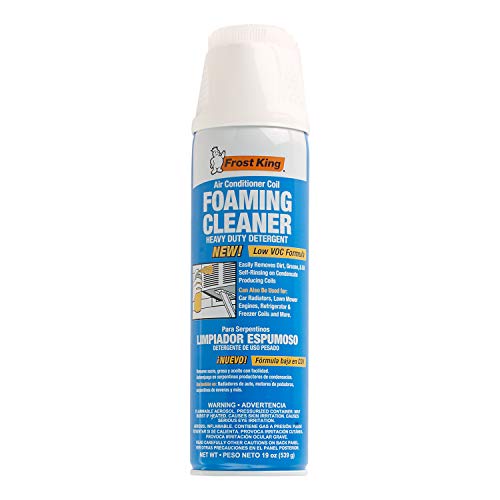
- evaporator coil cleaner spray for portable air conditioner


Before You Start
Read the user manual for model-specific cautions and locate the unit’s power switch before unplugging. Work in a well-ventilated area to avoid inhaling any cleaning vapors. Clear the space around the unit to access the back and sides for coil and hose inspections. Time estimate: about 45–90 minutes depending on accessibility and noise restrictions. Do not operate the unit while cleaning internal components.
Step-By-Step: How To Clean A Portable Air Conditioner
- Unplug the unit and disconnect any power cords or removable water tanks if applicable.
- Remove the front grille and accessible filter; wipe or rinse the filter with warm water and mild detergent, then let it air dry completely.
- Using a portable air conditioner condenser coil cleaning brush, gently brush the condenser coils to remove dust buildup without bending the fins.
- Inspect the evaporator coil area for dirt or mold. Apply a light application of evaporator coil cleaner spray for portable air conditioner according to the product label, letting it bubble away residue.
- Carefully use a AC fin comb for portable air conditioner cleaning fins to straighten any bent fins and improve airflow.
- Check the portable AC condensate drain hose replacement kit pathway. Detach and inspect for clogs; clear with a flexible brush or warm water if needed.
- Reconnect or replace the drain hose as needed, ensuring a clear, downward slope to prevent backflow. Flush with a small amount of clean water to confirm flow.
- Reassemble the unit, plug it in, and run a short test cycle on cool mode to verify airflow, condensation drainage, and noise levels.
- Wipe down the exterior with a damp cloth, paying attention to control panels and vents. Replace the filter if it shows signs of wear or excessive dirt.
- Document any persistent odors or unusual noises and plan a deeper clean or professional service if symptoms recur.
- Schedule periodic maintenance every 1–3 months during heavy use, adjusting frequency to climate and usage patterns.
Troubleshooting
| Symptom | Likely Cause | Fix | Prevention |
|---|---|---|---|
| Unit not cooling well | Dirty evaporator/condenser coils | Clean coils with coil cleaner and brush | Regular cleaning schedule |
| Water leaks or overflowing drain | Clogged drain hose | Clear hose or replace with kit | Check hose slope and seal |
| Noisy operation | Bent fins or loose panels | Use fin comb; tighten screws | Routine checks after storage |
| Poor airflow | Dirty filter or blocked vents | Clean or replace filter; clear vents | Filter maintenance every 2–4 weeks |
| Water tray full or overflow warning | Internal sensor or improper drainage | Inspect drainage path; replace hose if needed | Ensure unobstructed drainage path |
Common Mistakes
- Using harsh cleaners on plastics or seals, which can degrade components.
- Forgetting to unplug the unit during cleaning, posing shock risks.
- Ignoring blocked drainage lines, leading to water damage or mold.
- Rushing the cleaning without allowing filters or coils to dry thoroughly.
Tips For Best Results
- Schedule coil cleaning during mild weather to minimize heat exposure on you and the unit.
- Use a soft brush to avoid damaging delicate fins; never pry fins with metal tools.
- Replace or clean filters regularly to maintain efficiency and air quality.
- Keep hoses kink-free and secured to prevent leaks and backflow.
- Store accessories with the unit to ensure you have the right tools on hand for maintenance.
Call A Professional
Consider professional service if the unit shows persistent cooling issues after cleaning, experiences refrigerant smells, experiences electrical problems, or if mold growth is detected in internal components. Stop using the unit if you notice abnormal noises, burning smells, or flickering indicators, as these can signal dangerous conditions requiring a licensed technician.
FAQ
How often should I clean my portable air conditioner?
Clean or replace the filter monthly during peak use, and perform a full coil and hose inspection every 2–3 months.
Can I use any cleaner on the evaporator coil?
Use a spray labeled for evaporator coils and follow the product directions to prevent damage.
What if the drain hose is clogged?
Detach the hose and flush with warm water or a flexible brush; replace if the hose is cracked or permanently blocked.
Is it safe to run a cleaning spray with the unit plugged in?
No. Always unplug the unit before applying cleaners, and only power it on after all components are dry.
Should I clean the coils with water?
Lightly rinse exterior surfaces; avoid soaking internal components unless the product instructions explicitly permit it.
What maintenance helps extend life the most?
Regular filter changes, coil cleaning, and ensuring proper drainage are critical for longevity and efficiency.
Are there any odor-control steps after cleaning?
Run the unit in dry mode if available, and consider a light evaporator cleaner routine to prevent mold smells.
Buying Guide
When selecting a portable air conditioner, consider size and cooling capacity to fit the room. Noise level matters for bedrooms and offices, so look for models with lower dB ratings and vibration-reducing features. Energy efficiency matters for ongoing costs and environmental impact, so compare EER/SEER values if available. Controls should be intuitive, with a clean remote or onboard interface. Placement matters: a stable surface, away from walls, with adequate clearance for airflow and a clear drain path. Remember to factor in the availability of replacement parts like filters and hoses, and assess warranty coverage for long-term reliability.