Cleaning plexiglass shower doors requires non-abrasive products and careful technique to preserve clarity and prevent scratches. This guide offers practical steps, safe cleaners, and maintenance tips tailored for acrylic surfaces commonly used in modern bathrooms.
The goal is to remove soap scum, hard water deposits, and residues while keeping the doors clear and streak-free. Readers will find a quick overview, a complete tool list drawn from commonly recommended products, and a step-by-step method that minimizes effort and maximizes results.
Quick Answer
Use a non-abrasive acrylic cleaner or a specialized plexiglass shower door cleaner spray formulated for acrylic. Wipe with a soft microfiber cloth or squeegee, rinse with lukewarm water, and dry to prevent water spots. For tough spots, gently rub with a microfiber cloth dampened in a mild soap solution before finishing with a dedicated acrylic cleaner for best results.
What You’ll Need
- plexiglass shower door cleaner spray acrylic safe
- non-abrasive acrylic cleaner for shower doors
- squeegee for plexiglass shower doors
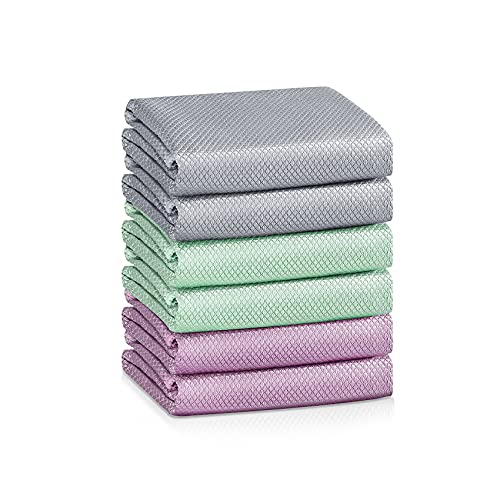
- microfiber cleaning cloths for acrylic shower doors
- shower door hard water stain remover for acrylic


Before You Start
Prepare the area by removing loose items from the shower and laying down a towel to catch drips. Ventilate the bathroom and wear soft gloves if you have sensitive skin. Test any cleaner in a small inconspicuous area first to confirm it does not cause discoloration or dulling. Estimated time for a thorough clean is 15–30 minutes depending on buildup. Important safety cautions include avoiding ammonia-based products and abrasive pads, which can scratch or haze acrylic surfaces.
Step-By-Step: How To Clean Plexiglass Shower Doors
- Remove any shower items and rinse the doors with warm water to loosen soap scum.
- Apply a plexiglass shower door cleaner spray acrylic safe or a mild, non-abrasive cleaner to the door surface, focusing on corners and tracks.
- Use a squeegee for plexiglass shower doors to remove the majority of cleaner and water from the door in long, even strokes.
- Wipe remaining residue with a microfiber cleaning cloths for acrylic shower doors, using circular motions to lift stubborn spots.
- For hard water stains, apply shower door hard water stain remover for acrylic to a soft cloth and gently rub the affected areas, then rinse.
- Rinse the door with clean warm water to remove all cleaning products and residue.
- Dry the door thoroughly with a fresh microfiber cloth to prevent water marks and streaks.
- Inspect edges and seals for soap scum buildup; repeat cleaning on any persistent areas as needed.
- Optional maintenance: lightly wipe doors after each shower with a microfiber cloth to reduce buildup.
- Store cleaners securely and label bottles to avoid mixing chemicals, which can damage acrylic surfaces.
- For a fully polished look, finish with a dedicated acrylic-safe polish or spray if recommended by the cleaner’s instructions.
Troubleshooting
| Symptom | Likely Cause | Fix | Prevention |
|---|---|---|---|
| Cloudy haze after cleaning | Residue or dulling from abrasive pad | Switch to microfiber cloth; re-clean with non-abrasive cleaner | Use only soft cloths and non-abrasive cleaners |
| Streaks or water spots | Improper drying or hard water minerals | Dry with a lint-free cloth; wipe with a VC dry microfiber | Rinse thoroughly and dry after each shower |
| Scratches appear after cleaning | Abrasive pad or cleaner | Cease using abrasive tools; switch to non-abrasive cleaners | Avoid rubbing aggressively; test cleaners first |
| Surface dulls or yellowing | Harsh chemical exposure | Replace with acrylic-safe products only | Follow product directions and ventilation tips |
Common Mistakes
- Using abrasive pads or ammonia-based cleaners on acrylic doors
- Skipping a rinse step, leaving cleaner ingredients behind
- Ignoring hard water deposits in corners and along seals
- Not drying the surface, leading to streaks and mineral buildup
Tips For Best Results
- Schedule a monthly wipe-down routine to prevent heavy buildup.
- Keep a dedicated microfiber cloth in the bathroom for quick touch-ups.
- Choose a cleaner specifically labeled as safe for acrylic or plexiglass.
- Test any new product in a hidden area before full use.
- Use warm—not hot—water to avoid warping or damage.
Call A Professional
Consider contacting a professional if the plexiglass shows deep scratches, yellowing, or persistent mineral buildup despite regular cleaning. Stop signs include weathered or crazed surfaces, corners peeling away, or persistent cloudiness after multiple treatments. A pro can assess seal integrity and advise on safe refinishing or replacement options.
FAQ
Can I use vinegar to clean plexiglass shower doors?
Vinegar can be used cautiously in a diluted form, but avoid prolonged exposure and never mix with bleach. Always rinse well and dry to prevent streaks.
What if the doors develop cloudiness after cleaning?
Cloudiness may indicate residue or micro-scratches; re-clean with a non-abrasive cleaner and microfiber cloth, then dry thoroughly. If persistent, consider a specialist acrylic cleaner.
How often should I clean plexiglass shower doors?
A light weekly wipe-down plus a deeper clean every 2–4 weeks typically keeps plexiglass clear and free of mineral buildup.
Are there sprays that provide longer-lasting protection?
Yes, some acrylic-safe sprays leave a light protective film that helps repel water and soap scum. Follow product directions and avoid over-application.
Buying Guide
When choosing products for cleaning plexiglass shower doors, consider factors such as safety for acrylic, effectiveness on mineral buildup, and ease of use. The size of the shower and the typical water hardness in the area influence product choice and frequency. Look for non-abrasive, ammonia-free formulas to protect the surface’s clarity and prevent micro-scratches. A dedicated squeegee and soft microfiber cloths are essential for streak-free results. For households with hard water, select a targeted hard water stain remover designed for acrylic surfaces. Finally, verify that cleaners are labeled safe for plexiglass to avoid unintended damage.