Oil stains on leather can be stubborn, but with the right approach you can restore the surface without damaging the material. This guide covers safe methods, preferred products, and practical steps to remove oil while preserving the leather’s look and feel.
Quick Answer
Act quickly, blot excess oil with a clean cloth, apply a degreasing cleaner, and follow with a leather conditioner to restore moisture. For persistent stains, use an oil stain remover kit designed for leather and repeat as needed.
What You’ll Need
- Oil stain remover kit for leather
- Leather cleaning kit grease stain remover
- Leather conditioner and cleaner set
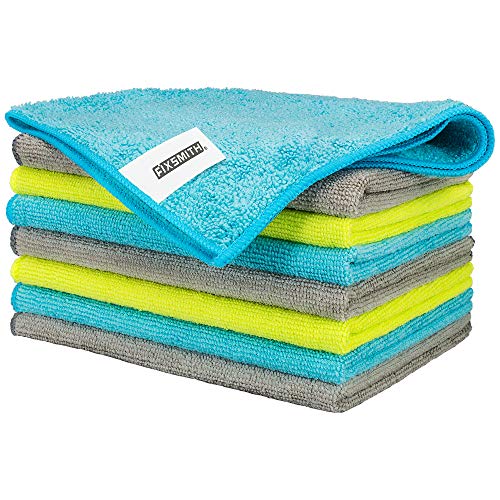
- Microfiber leather cleaning cloths pack
- Leather care kit with degreaser spray


Before You Start
Test any product in a hidden area to check colorfastness. Work in a well-ventilated space and use gentle, circular motions. Avoid over-wetting the leather, which can cause water stains or damage the glue seams. Plan for about 20–40 minutes of active care plus drying time.
Step-By-Step: How To Clean Oil From Leather
- Gently blot the oily area with a clean, dry microfiber cloth to absorb excess moisture. Do not rub, as this can push oil deeper.
- Dust off any loose residue with a soft brush or cloth to prepare the surface for treatment.
- Apply a degreasers spray or a dedicated leather degreaser from the leather care kit, following the product instructions.
- Gently wipe with a clean cloth, working in small circular motions. Avoid pressing hard to prevent color fade.
- If the stain persists, use an oil stain remover kit for leather and apply only to the affected area, testing first on a hidden spot.
- Rinse lightly with a damp cloth to remove cleaner residues, then blot dry with a fresh microfiber cloth.
- Apply a leather conditioner and cleaner set according to the label to replenish oils and keep the leather supple.
- Allow the leather to air-dry away from direct heat or sunlight. Reapply conditioner if the leather feels stiff after drying.
- Inspect the area. If any staining remains, repeat the cleaner and conditioner steps a second time.
Troubleshooting
| Symptom | Likely Cause | Fix | Prevention |
|---|---|---|---|
| Oil reappears after cleaning | Residual oil trapped in fibers | Repeat degreaser treatment and conditioner | Address spills immediately to prevent setting |
| Discoloration or fading | Over-wetting or harsh cleaners | Use milder cleaner and minimal moisture | Test first; use gentle products |
| Sticky surface after cleaning | Cleaner residue | Lightly dampen and wipe with a clean cloth | Rinse and blot thoroughly |
| Leather feels dry after treatment | Insufficient conditioning | Apply conditioner evenly and let soak in | Condition regularly as part of maintenance |
Common Mistakes To Avoid
- Using harsh solvents that can dry or crack leather
- Rubbing aggressively, which pushes oil deeper
- Over-wetting leather or using too much product at once
- Skipping conditioning after cleaning, leading to stiffness
Following these pitfalls helps protect color, texture, and longevity of the leather.
Tips For Best Results
- Always perform a patch test before applying cleaners to a visible area.
- Keep cleaning sessions brief and focused on the stain area.
- Use microfiber cloths for their absorbency and softness to avoid scratches.
- Schedule regular conditioning to maintain the leather’s natural oils.
Call A Professional
Seek professional help if stains cover a large area, if the leather is dyed or delicate, or if there is persistent staining after several cleanings. Signs that require a pro include cracking, color bleeding, or damage to stitching.
FAQ
Can I use household cleaners on oil stains?
Household cleaners are not recommended for leather; they can strip finishes. Use products specifically designed for leather care.
Will oil stains come out completely?
Many oil stains can be removed or significantly reduced with proper products and steps; some older stains may be stubborn.
How often should I condition leather after cleaning?
Condition every 3–6 months, or as needed based on usage and climate, to maintain flexibility.
Is a leather cleaning kit necessary?
A dedicated kit provides targeted cleaners and tools that are safe for leather and effective for oil stains.
Buying Guide
When selecting products to remove oil from leather, consider size, formula, and compatibility with your leather type. Look for a leather care kit with degreaser spray for fast action on oil, and pair with a leather conditioner and cleaner set to restore moisture after cleaning. A microfiber leather cleaning cloths pack helps prevent scratches and provides even absorption. For stubborn or larger stains, a dedicated oil stain remover kit for leather offers targeted solutions.
Key buying factors include how aggressive the cleaner is, whether it’s suitable for your leather (aniline, semi-aniline, nubuck, or patent leather), and how easy it is to use. Consider packaging and storage size to ensure you have enough product for future maintenance, not just a one-off fix. If you’re unsure, start with a basic leather care set and add specialty degreasers as needed.