Non-slip bath mats provide safety and comfort in wet bathrooms, but their grip and fibers can collect soap scum, mold, and mildew. This guide explains a practical, step-by-step method to clean and refresh a non-slip bath mat while preserving its traction and longevity for American households.
Quick Answer
Regularly shake out the mat, wash with mild detergent, scrub with a non-abrasive brush, rinse thoroughly, and let it air dry completely. For stubborn grime, use a gentle whitening or sanitizing treatment, then re-dry to restore grip.
A Quick Start: What You’ll Need
Gather basic tools and products to clean your non-slip bath mat efficiently. The following items leverage the provided product keywords as practical options.
- Non-slip bath mat cleaning brush
- Long-handled bath mat scrubber
- Nylon bristle bath mat scrub brush
- Microfiber cleaning cloth for bath mats
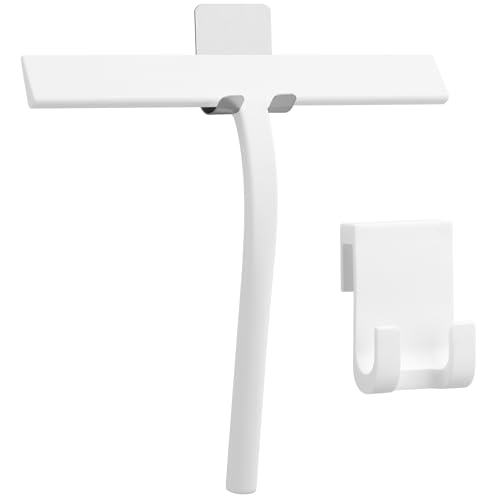
- Bath mat squeegee for drying


Before You Start
Inspect the mat for wear or peeling edges. Check the backing for loss of grip and the fabric for fraying. Ensure the bathroom is well-ventilated and the room is dry before starting. Time estimate: 15–25 minutes for routine cleanings; up to 45 minutes for heavy grime. Do not use harsh bleach or abrasive scrubbing pads on rubber-backed mats, which can damage the grip.
Step-By-Step: How To Clean A Non-Slip Bath Mat
- Take the mat outside or to a tub/shower area and shake it vigorously to dislodge loose dirt and dust.
- Rinse the mat with warm water to loosen soap residue and mildew without saturating the backing.
- Apply a mild detergent or a gentle cleanser suitable for bathroom surfaces to the mat’s surface.
- Use a non-slip bath mat cleaning brush or nylon bristle bath mat scrub brush to scrub in circular motions, focusing on corners and stitched seams.
- For stubborn spots, switch to a long-handled bath mat scrubber to reach under the mat and scrub without bending.
- Rinse thoroughly until all soap is removed and water runs clear from the mat.
- Use a bath mat squeegee for drying to remove excess water, then pat dry with a microfiber cleaning cloth for bath mats.
- Lay the mat flat or hang it over a rack to air dry completely before placing it back on the floor.
- If mold or mildew persists, wipe with a diluted vinegar solution (1:1 with water) and rinse again, then dry thoroughly.
- Inspect the mat once dry to ensure the backing remains intact and grip is restored before re-use.
- Schedule routine cleanings every 1–2 weeks, or more often in high-humidity bathrooms.
Troubleshooting
| Symptom | Likely Cause | Fix | Prevention |
|---|---|---|---|
| Mildew appears after drying | Stagnant moisture in fabric | Increase ventilation and ensure complete drying with a squeegee | Shake and air-dry after each use |
| Backing loses grip | Wear and frequent wet cleaning | Replace mat if grip is compromised | Limit harsh chemicals; clean with mild detergent |
| Stains persist | Deep-set soap scum | Pre-soak with warm water and mild cleaner, then scrub | Routine cleaning to prevent buildup |
| Mat remains damp after drying | Poor air circulation | Hang mat or place on a rack to improve airflow | Wipe excess water after each bath |
Common Mistakes
- Using abrasive brushes or harsh chemicals on rubber-backed mats
- Leaving the mat damp for extended periods
- Over-wetting the mat and its backing during cleaning
- Neglecting to scrub seams where mold can hide
Sticking to gentler cleaners and thorough drying helps maintain traction and extend the mat’s life.
Tips For Best Results
- Clean the mat on a schedule aligned with bathroom humidity levels
- Alternate cleaning methods: brush scrubbing followed by microfiber drying for best results
- Consider dietary-safe or fragrance-free cleaners if sensitive skin is a concern
- Keep a small microfiber cloth on hand for quick touch-ups after showers
Call A Professional
Contact a professional if the mat shows persistent signs of mold behind the backing, persistent odor, or any peeling of the backing that affects grip. If cleaning requires aggressive chemicals beyond mild detergents, seek guidance from a cleaning service to avoid damage.
FAQ
Can I machine-wash a non-slip bath mat?
Some mats are machine-washable on a gentle cycle; check the care label. Use mild detergent and avoid hot water that can degrade backing.
How often should I clean a non-slip bath mat?
Perform routine cleanings every 1–2 weeks, with immediate cleaning for visible mold or odor.
What if the mat loses its grip after washing?
It may indicate worn backing; replace the mat to restore safety.
Are natural cleaners safe for non-slip mats?
Natural solutions like vinegar or baking soda can be effective but test on a small area first to prevent corrosion or discoloration.
Buying Guide
When choosing a non-slip bath mat, consider size, material backing, and ease of cleaning. Look for mats with a durable, non-skid backing that stays effective after repeated washings. Options with easy-to-clean surfaces, such as microfiber tops, balance traction and maintenance. Noise is not typically a concern for mats, but consider the mat’s edge profile and any shower door clearance. Energy efficiency is not a major factor for mats, but selecting a low-resistance drying method (air drying) can reduce heat usage during drying. Placement should avoid directly against grout lines or high-traffic wet areas to maximize grip. Compare mats based on backing material, colorfastness, and ease of scrubbing to fit your bathroom routine. Do you prefer a compact mat for tight spaces or a larger mat for full coverage? Choose a mat that aligns with your bathroom size and cleaning habits to keep floors safe and clean.