Mosaic tile adds style and texture to kitchens, bathrooms, and entryways, but its small grout lines can trap dirt and grime. A structured cleaning approach keeps both tiles and grout looking fresh. This guide covers practical steps, safety notes, and tool recommendations to help American homeowners achieve spotless mosaic tile without damaging surfaces.
Quick Answer
For most mosaic tile kitchens and bathrooms, a routine weekly clean using a gentle cleaner and a grout-friendly brush yields the best results. Use a steam cleaner for stubborn grime and a microfiber mop head with grout brush attachment for ongoing maintenance. Seal grout after deep cleaning to protect against future staining.
What You’ll Need
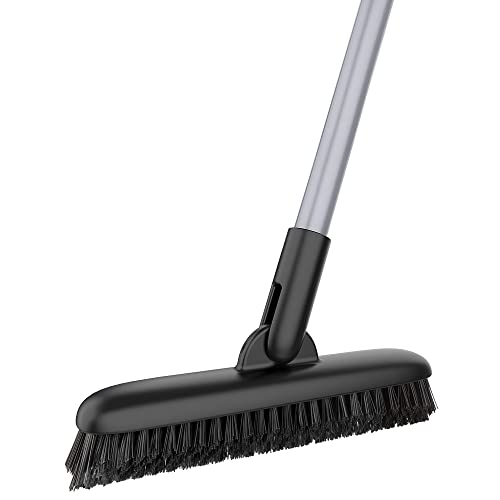
- Grout cleaning brush for mosaic tiles
- Steam cleaner for grout and mosaic tile cleaning
- Tile cleaning kit grout scrubber mosaic
- Microfiber mop head with grout brush attachment
- Grout sealing and cleaning kit for mosaic tiles
- All-purpose or tile-safe cleaner
- Soft cloths or microfiber towels


Before You Start
Prepare the area by removing loose objects and protecting adjacent surfaces with a damp cloth. Choose a cleaner labeled safe for tile and grout to avoid discoloration. Test a small, inconspicuous area first. Wear gloves if you have sensitive skin, and ensure good ventilation in bathrooms or laundry rooms. Plan for time—deep cleaning and sealing can take 1–2 hours including drying time. Critical cautions: avoid acidic cleaners on marble or stone substrates, and never use abrasive scouring pads that can scratch tile surfaces.
Step-By-Step: How To Clean Mosaic Tile Surfaces
- Remove surface debris with a dry microfiber cloth or mop to prevent scattering grime.
- Apply a tile-safe cleaner or a mild detergent solution to the mosaic surface and let it sit for a few minutes to loosen dirt.
- Agitate grout lines with a grout cleaning brush for mosaic tiles, focusing on discolored or stained areas.
- Use a steam cleaner for grout and mosaic tile cleaning to lift embedded grime from grout without harsh chemicals.
- Wipe down the tiled surface with a damp microfiber cloth, rinsing frequently to remove loosened dirt.
- Rinse the area with clean water to remove cleaner residue, then dry with a soft towel to prevent water spots.
- For stubborn stains, repeat the brushing and steaming steps, or apply a tile-safe stain remover designed for grout.
- Apply a grout sealing and cleaning kit for mosaic tiles after the area is completely dry to protect against future staining.
- Inspect the grout for uniform color; touch up any spots with a small amount of cleaner and a dedicated brush.
- Resume normal use only after grout and tile are fully dry; ventilation helps speed up drying time.
- Establish a maintenance routine using a microfiber mop head with grout brush attachment for quick weekly cleans.
- Document any recurring stains to adjust cleaning frequency or consider deeper sealing if needed.
Troubleshooting
| Symptom | Likely Cause | Fix | Prevention |
|---|---|---|---|
| Tile looks dull after cleaning | Residue from cleaner | Rinse thoroughly with clean water and dry | Use minimal cleaner and rinse well |
| Dark stains along grout lines | Mold or mildew | Use a mold-killing cleaner and scrub with grout brush | Keep areas dry, improve ventilation |
| Grout color fades after sealing | Uneven application or over-sealing | Re-clean, dry, then reseal evenly | Follow product directions carefully |
| Grout cracking or tile loosening | Excessive cleaning pressure or damaged grout | Light brushing; repair grout if needed | Avoid harsh brushes on fragile grout |
| Streaks on tile after wipe | Water hardness or soap residue | Rinse with distilled water or use a rinse agent | Wipe dry after cleaning |
Common Mistakes
- Using acidic cleaners on grout or certain tile types, which can erode grout.
- Over-wetting the grout, leading to slower drying and potential mold growth.
- Neglecting to seal grout after deep cleaning, increasing future staining risk.
- Using abrasive brushes that scratch glaze or grout surface.
Sticking to tile-safe products and proper brushing techniques reduces wear and extends tile life.
Tips For Best Results
- Schedule a regular maintenance interval—weekly quick cleans plus monthly deep cleaning work well for most homes.
- Keep a dedicated grout brush handy near mosaic tile installations to address grime as it accumulates.
- Test any new cleaner on a hidden area before broad use to avoid discoloration.
- Dry surfaces after cleaning to prevent water spots and mildew growth, especially in damp bathrooms.
- Consider a penetrating grout sealer for high-traffic areas to minimize future staining.
Call A Professional
Consider a professional if: staining persists after multiple cleaning cycles, grout shows extensive cracking or crumbling, or there is persistent mold despite cleaning and sealing. Complex mosaic patterns or natural stone mosaics may require specialized care beyond consumer products.
FAQ
Can I use steam cleaning on all mosaic tiles?
Steam cleaning works well for grout and most glazed mosaics, but avoid it on untreated stone or delicate finishes unless the manufacturer approves it.
How often should grout be sealed?
In high-traffic areas, reseal every 6–12 months; in drier areas, once a year is typically sufficient.
What is the best cleaner for mosaic tile?
Use a pH-neutral tile-safe cleaner or mild detergent; avoid highly acidic or abrasive cleaners that can damage grout.
Is it okay to mix cleaners for mosaic tile?
No. Mixing cleaners can create harmful fumes or chemical reactions. Use one product at a time as directed by the label.
Do I need to replace grout to improve appearance?
Replacement is only needed if grout is crumbling, mold-infested beyond cleaning, or severely discolored; otherwise, cleaning and sealing are often sufficient.
Can I seal tile surfaces as well as grout?
Yes, many sealers are designed for both grout and tile surfaces, but follow manufacturer instructions for the correct product and application method.
Buying Guide
When choosing products for mosaic tile cleaning, consider size and scope of the area, expected maintenance frequency, and the level of grout restoration needed. For larger kitchens or bathrooms, a steam cleaner for grout and mosaic tile cleaning paired with a tile cleaning kit grout scrubber mosaic delivers efficient results. For routine upkeep, a microfiber mop head with grout brush attachment reduces labor while keeping grout lines fresh. If staining is a common issue, a grout sealing and cleaning kit for mosaic tiles can simplify maintenance by combining cleaning and sealing steps in one kit.
Key buying factors include:
- Size and coverage: Larger kits and steam cleaners help with big areas; smaller rooms benefit from compact tools.
- Noise and handling: Look for machines with manageable noise levels and ergonomic designs for easy operation.
- Energy efficiency: Choose electrical devices with energy-saving modes and reasonable power draws for frequent use.
- Controls and usability: Simple, intuitive controls speed up cleaning sessions and prevent mistakes.
- Placement and storage: Select tools that are easy to store in a cleaning closet or utility room and safe for wet areas.
Would you like help selecting the right combination of tools for a specific mosaic tile project, such as a bathroom backsplash or kitchen accent wall? A balanced setup often includes a grout-specific brush, a reliable steam cleaner for grout, and a grout sealing kit to maintain look and longevity. This combination supports both routine cleaning and longer-term protection against staining.