Mini split systems offer efficient cooling, but their performance hinges on clean filters. This guide explains practical steps to refresh filters, extend system life, and maintain indoor air quality. Readers will learn how to use common tools and dedicated cleaning products to safely remove dust and grime from mini split filters.
Quick Answer
Remove the filter, rinse or brush off debris, apply a gentle cleaning spray if needed, wash or replace the filter, and dry completely before reinstalling. For persistent grime, use a mini split filter cleaning kit or a dedicated cleaning brush and microfiber cloth to finish the job.
What You’ll Need
- Mini split filter cleaning kit
- Mini split air conditioner filter cleaning brush
- Mini split AC filter cleaning spray
- Washable reusable mini split filter
- Microfiber cleaning cloth for mini split filters


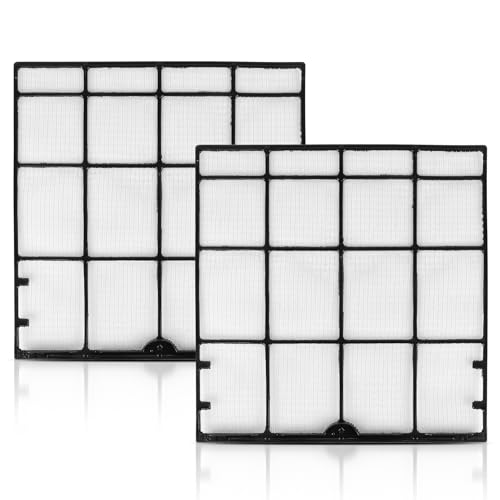
Before You Start
Work with the system turned off and power at the breaker when removing the indoor unit cover. Expect to spend 15–45 minutes, depending on filter type and accessibility. Do not rinse filters with hot water or use harsh cleaners, which can damage media. If the filter is damaged or cannot be cleaned, plan for replacement. Note that some filters are designed to be washable; others are disposable.
Step-By-Step: How To Clean Mini Split Filters
- Turn off the unit and disconnect power to the indoor and outdoor components if required by the model.
- Remove the front panel and gently extract the filter from the unit.
- Tap or brush the filter lightly to remove loose dust using the mini split air conditioner filter cleaning brush.
- If the filter is heavily soiled, rinse it under lukewarm water from the clean side to the dirty side to avoid pushing debris through the media.
- Apply a mini split AC filter cleaning spray according to the product instructions, then let it sit for the recommended time.
- Rinse again with clean water and shake out excess moisture. For washable reusable filters, air dry completely before reinstalling.
- For non-washable filters, wipe with a microfiber cloth to remove residue and inspect for damage.
- Reinstall the filter and reassemble the unit. Restore power and run a brief test cycle to ensure proper airflow.
- Repeat the process every 1–3 months during peak use, or more often if dust exposure is high.
- If odors persist after cleaning, consider a light, approved filter deodorizing spray and ensure proper ventilation in the space.
- Keep spare filters or a washable reusable mini split filter to rotate during cleaning cycles.
- Record the date of cleaning in a maintenance log to track service intervals.
Troubleshooting
| Symptom | Likely Cause | Fix | Prevention |
|---|---|---|---|
| Weak airflow after cleaning | Filter not fully dry or reinstalled incorrectly | Re-check fit and ensure complete dryness | Dry filters thoroughly and re-seat carefully |
| Persistent odor | Accumulated contaminants beyond filter media | Replace filter or spray odor eliminator per guidelines | Regular cleaning schedule |
| Visible damage to filter | Rough handling or worn media | Replace with a new filter | Handle gently, follow manufacturer directions |
| Foaming cleaner residue | Excess product used | Rinse thoroughly and wipe with microfiber cloth | Follow spray instructions precisely |
Common Mistakes
- Using hot water or aggressive cleaners that degrade filter media
- Letting filters air-dry in a dusty or humid area
- Forcing the filter back into place when it’s not fully dry or aligned
- Neglecting to clean the gasket or surrounding housing along with the filter
Tips For Best Results
- Schedule regular cleanings aligned with dust levels and occupancy.
- Have a washable reusable mini split filter ready to rotate during cleaning cycles.
- Use a microfiber cleaning cloth for mini split filters to minimize lint transfer.
- Store spare filters in a clean, dry location to prevent contamination.
- Keep a maintenance log with dates and any notes on performance changes.
Call A Professional
Contact a pro if the system shows persistent reduced airflow, unusual noises, or electrical smells after cleaning. Do not attempt interior component service beyond basic filter handling. Signs to stop and call a technician include refrigerant leaks, loose wiring, or refrigerant odors.
FAQ
How often should mini split filters be cleaned?
Most systems benefit from a cleaning every 1–3 months during high-use periods, with longer intervals during lighter use. Always follow the manufacturer’s recommendations.
Can I rinse a washable filter with any water?
Use lukewarm water and avoid hot water, which can damage the filter media. Rinse from the clean side to the dirty side.
What if the filter is damaged?
Replace the damaged filter to maintain efficiency and air quality. Damaged filters should not be reused.
Is a cleaning spray essential?
Cleaning spray helps break down oils and grime but is not mandatory for every filter. Follow product directions and ensure thorough rinsing and drying.
Are disposable filters better for mini splits?
Disposable filters are convenient, but washable filters save money and reduce waste. Choose based on model compatibility and your cleaning routine.
What maintenance should accompany filter cleaning?
Wipe down the interior housing to remove dust, check seals, and ensure the outdoor unit is free from debris for optimal operation.
Buying Guide
When selecting accessories to support filter cleaning, consider size compatibility, ease of use, and long-term value. Key factors include filter size fit, noise and energy implications, and control options for maintenance reminders. For many homes, a mini split filter cleaning kit paired with a microfiber cleaning cloth for mini split filters and a dedicated mini split air conditioner filter cleaning brush offers a complete approach. Evaluate whether your unit supports washable filters or requires disposable replacements, and plan for rotation during cleaning cycles to maintain airflow and efficiency.
Do you prioritize quick, minimal downtime or a thorough, hands-on cleaning routine? The right combination of tools can simplify maintenance, reduce filter replacement frequency, and support better indoor air quality. Consider storage space for spare filters and a simple maintenance log to track cleaning dates and outcomes.