Leather coats add timeless style, but keeping them clean requires careful steps. This guide outlines a practical, user-friendly method for American households to refresh and protect a leather coat with common supplies and responsibly sourced care products.
Quick Answer
Spot clean with a leather cleaning kit, condition with a leather conditioner balm, and finish with a protector spray. Use a microfiber cloth for delicate surfaces, and brush suede areas with a suede and leather brush kit to avoid damage. Always test products on a hidden area first.
What You’ll Need
- Leather cleaning kit with conditioner and protector
- Leather conditioner balm for jackets
- Leather stain remover spray for coats
- Microfiber cleaning cloth for leather care
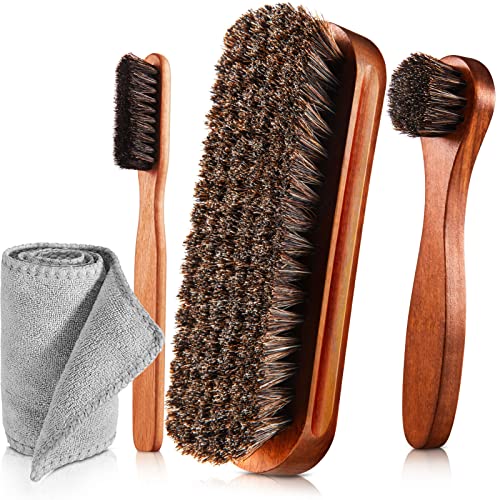
- Suede and leather brush kit


Before You Start
Prepare a clean workspace, preferably in a well-ventilated area. Remove surface dust with a dry microfiber cloth before applying any product. Read product labels for specific usage notes and test a small, inconspicuous area of the coat. Avoid exposing treated leather to direct heat or sunlight, which can dry out or fade it. Plan for a 30–60 minute process, plus drying time if conditioning or applying protector.
Step-By-Step: How To Clean A Leather Coat
- Remove loose dirt by brushing with the suede and leather brush kit, following the nap of the leather.
- Spot-clean stains using the leather stain remover spray for coats on a clean cloth, dabbing—do not rub harshly.
- Wipe the entire surface gently with a microfiber cleaning cloth for leather care slightly dampened with water or a leather-safe cleaner.
- Apply a thin layer of leather cleaning kit with conditioner and protector according to the product instructions, focusing on seams and high-contact areas.
- Let the conditioner absorb for the recommended time, then wipe away any excess with a clean microfiber cloth.
- Apply a leather conditioner balm for jackets to restore suppleness, using small circular motions to evenly distribute.
- Once fully absorbed, mist a light coat of the protector from the leather cleaning kit to guard against future stains plus water.
- If the coat has any rough or dry patches, repeat conditioning after 24–48 hours and buff with a dry cloth.
- Brush suede accents gently to restore nap, using the appropriate end of the brush kit, and avoid applying liquids there if not labeled as safe.
- Store the coat on a wide hanger in a breathable garment bag to maintain shape and prevent moisture buildup.
- Regularly repeat conditioning every 3–6 months or as needed based on climate and wear.
- For stubborn stains or damaged leather, consult a professional before attempting aggressive cleaning.
Troubleshooting
| Symptom | Likely Cause | Fix | Prevention |
|---|---|---|---|
| Sticky or tacky residue after cleaning | Over-application of cleaner or conditioner | Wipe with clean microfiber, allow to dry, and reapply sparingly | Use small amounts and test first |
| Dry, cracking leather | Overexposure to sun or heat, or excessive drying | Apply conditioner balm evenly; avoid heat sources | Store away from heat and direct sunlight |
| Discoloration after cleaning | Incompatible products or dye bleeding | Rinse with a compatible cleaner and test on hidden area | Use products labeled for leather color care |
| Stains reappear after conditioning | Residue trapped under conditioner | Re-clean area and reapply conditioner | Follow product instructions precisely |
Common Mistakes
- Using household detergents on leather
- Applying too much conditioner at once
- Rubbing stains aggressively, which can spread or deepen them
- Neglecting to test products on hidden areas
- Brushing wet leather, which can distort texture
Tips For Best Results
- Test any cleaner on a small, inconspicuous patch before full application.
- Use separate cloths for cleaning and conditioning to avoid cross-contamination.
- Condition leather before it shows signs of dryness for best results.
- Store in a breathable garment bag to protect from dust and moisture.
- Always allow adequate drying time between steps to prevent product buildup.
Call A Professional
Pause and seek a pro if the coat has significant cracking, deeply set stains, or color fading. Signs to consult a professional include large water stains, dye transfer, or leather that feels unusually stiff after care. If you notice the coating or finish peeling, contact an expert rather than attempting a DIY fix.
FAQ
Can I clean a leather coat at home?
Yes, with leather-safe cleaners, conditioners, and a microfiber cloth, following manufacturer instructions.
How often should I condition leather coats?
Typically every 3–6 months, depending on climate, wear, and storage conditions.
Is a conditioner balm safer than a liquid conditioner?
Both can be effective; balms are often convenient for thorough, even application on jackets.
What if the coat is suede or has suede accents?
Use a suede-friendly brush and avoid soaking liquids; treat suede sections separately per care labels.
Buying Guide
Choosing the right leather care products helps extend the life of a leather coat. Consider product compatibility with your coat’s finish, the climate you live in, and ease of use. Key factors include:
- Size and coverage: Opt for a kit that covers multiple applications appropriate for your coat size; avoid oversized products that may waste space.
- Noise level (for spray products): Look for low-odor, low-VOC formulas to minimize irritation during use.
- Energy efficiency (not applicable to cleaning, but relevant to storage heaters): Store in a cool, dry place to maintain product efficacy without energy waste.
- Controls: Clear instructions and compatibility notes reduce misuse; a simple two-step routine is easier to follow for beginners.
- Placement: Keep cleaners away from direct heat sources; store in a dedicated cabinet or closet to protect from humidity and sunlight.
When comparing options, evaluate whether a kit includes conditioner, protector, and stain remover, and whether the conditioner balm or sprays align with your preferred application method. If a kit includes a suede brush, confirm it suits the specific finishes on your coat. Do you need travel-size options for on-the-go care or a full-size kit for occasional deep cleaning? A balanced choice considers both current needs and future maintenance.