Fibers and fabrics require gentle yet effective cleaning to maintain appearance and longevity. This guide covers practical methods for everyday textile care and specialty fibers, helping readers choose the right tools and techniques for different materials.
Whether dealing with clothing, upholstery, or delicate textiles, the goal is to remove dirt, stains, and odors without damaging the fiber structure. The following steps provide a clear, actionable approach suitable for American households.
Quick Answer
Start with a gentle dry method to lift loose debris, then apply a suitable liquid cleaner or steam technique for deeper cleansing. Always test a small inconspicuous area first, and use the appropriate tools for the fiber type to prevent damage.
What You’ll Need
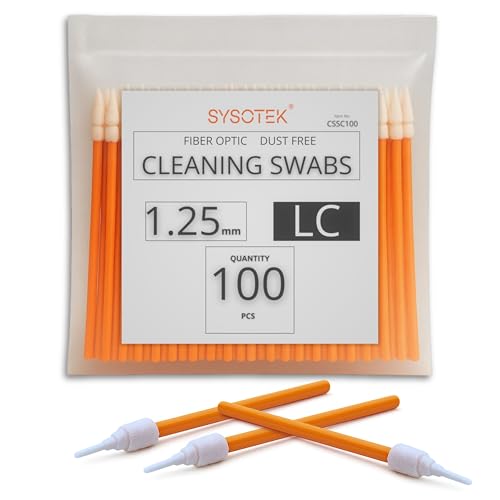
- fiber optic cleaning kit with lint-free swabs
- microfiber cloths for cleaning textiles
- lint roller for clothing fibers
- upholstery steam cleaner for fabrics
- fabric cleaning brush set with soap reservoir


Before You Start
Assess the fabric type and care label before starting. Never apply heat or moisture beyond the fabric’s tolerance, especially on delicate materials like silk or wool blends. Work in a well-ventilated area and test cleaners on an inconspicuous spot. Allocate 20–60 minutes for most routine cleanings, longer for heavy soiling or upholstery.
Step-By-Step: How To Clean Fiber
- Identify the fabric type and check care labels. Note any warnings about water or solvents.
- Dry clean the surface with a lint brush or lint roller to remove loose fibers and dust.
- For textiles with light soiling, use a microfiber cloth lightly dampened with water or a mild textile cleaner and wipe in a gentle, circular motion.
- For stubborn spots, apply a small amount of fabric cleaner to a lint-free swab or cloth and dab the stain, never rub aggressively.
- Use a fabric cleaning brush set with a built-in soap reservoir to apply cleaning solution evenly while brushing with the grain of the fabric.
- Rinse or blot away residues with a clean, damp microfiber cloth. Avoid oversaturating the fabric to prevent water stains.
- For upholstered surfaces, use an upholstery steam cleaner on a low heat setting to lift embedded dirt. Test first on a hidden area.
- Allow the material to air dry completely. If possible, keep the area well-ventilated to speed up drying and prevent mildew.
- Once dry, brush the fibers lightly with a clean brush to restore nap and texture.
- For textiles prone to piling or fuzz, run a lint roller over the surface after drying to remove remaining fibers.
- Repeat sparingly and avoid frequent deep cleans that can wear the fabric over time.
- Store cleaning tools within reach for regular maintenance and quick touch-ups.
Troubleshooting
| Symptom | Likely Cause | Fix | Prevention |
|---|---|---|---|
| Streaks or watermarks after cleaning | Over-wetting or uneven application | Blot with a clean damp cloth; allow to dry completely. Re-clean small sections evenly | Use minimal moisture and test on inconspicuous area |
| Fabrics feel stiff after cleaning | Residue from cleaner or insufficient rinsing | Rinse with a damp cloth and air dry; consider a light brush | Use the right cleaner for the fabric and rinse thoroughly |
| Pilling after brushing | Over-brushing or using a stiff brush | Switch to a softer brush and brush with the nap | Brush only as needed and follow fabric grain |
| Color fading after cleaning | Harsh cleaner or heat exposure | Stop using strong cleaners; use color-safe products and cool air drying | Choose cleaners described for colorfast fabrics |
Common Mistakes
- Using hot water on delicate fabrics
- Rubbing stains aggressively, causing fiber damage
- Over-wetting upholstery or textiles
- Ignoring care labels or using incompatible cleaners
- Skipping tests on hidden areas
Keeping a routine with gentle methods helps preserve fiber integrity and appearance over time.
Tips For Best Results
- Test any cleaner on an inconspicuous area before full application.
- Use microfiber cloths to lift dirt without scratching fibers.
- Work in small sections to control moisture and prevent saturation.
- Choose tools that fit the fiber type, such as lint rollers for loose fibers and steam cleaners for durable upholstery.
- Regular maintenance reduces deep cleaning frequency and extends fabric life.
Call A Professional
Consult a professional if any of the following apply: persistent stains that resist home cleaning, delicate textiles with complex dyeing, or large upholstery items requiring specialized equipment. If you notice color bleeding, fabric shrinkage, or structural damage, seek expert assessment promptly.
FAQ
Can I clean all fabrics with water?
Most cotton, linen, and synthetic fabrics handle mild water cleaning, but delicate or embellished fabrics may require dry cleaning or spot treatments.
Is a steam cleaner safe for all upholstery?
Steam can refresh many fabrics, but test first and avoid high heat on delicate materials or moisture-sensitive finishes.
What is the best way to remove pet hair from textiles?
Use a lint roller or microfiber cloth for quick removal; a damp cloth can help lift hair from fabric surfaces.
How often should I clean upholstered furniture?
Light daily maintenance is recommended; perform deeper cleans every 6–12 months depending on usage and spills.
Are fabric cleaning brushes necessary?
They help distribute cleaner evenly and lift dirt, but choose soft-bristle designs to protect fibers.
Buying Guide
When selecting cleaning tools for fiber care, consider size, noise level, energy efficiency, controls, and placement. A compact upholstery steam cleaner with adjustable heat suits frequent spot-cleaning without overwhelming a room. Look for lint-free swabs and soft brushes to minimize fiber damage, and opt for microfiber cloths that retain dirt effectively. Noise level matters for homes with sleeping children or pets; quieter devices enable late-evening touch-ups. Energy-efficient models reduce consumption during longer cleaning sessions. For placement, choose easy-to-reach storage near laundry or cleaning areas to encourage regular maintenance. Finally, read product warranties and supplier guidance to ensure compatibility with your fabric types and care routines.