Fabric blinds add soft texture and warmth to rooms, but they can gather dust, pet hair, and fingerprints over time. This guide explains practical steps using common tools to refresh fabric blinds without damage. It covers quick daily maintenance and a thorough deep clean that keeps blinds looking their best.
Quick Answer
Fast method: Light dusting with a microfiber blind duster, followed by a gentle vacuum using a upholstery brush attachment. For stubborn grime, use a garment steamer to lift dirt without soaking the fabric. Finish with a lint roller for residual dust.
What You’ll Need
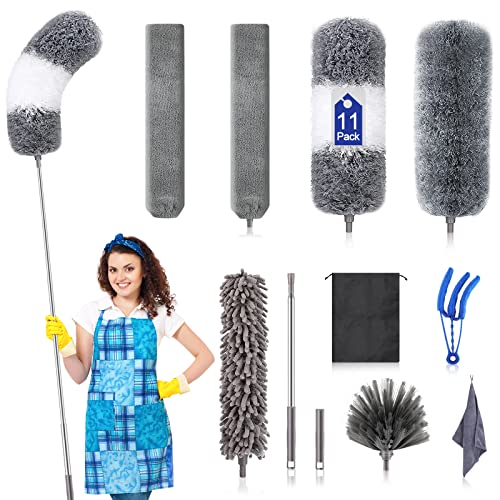
- microfiber blind duster for fabric blinds
- vacuum cleaner upholstery brush attachment for blinds
- extension pole blind cleaning kit for fabric blinds
- lint roller for fabric blinds dust removal
- garment steamer for fabric blinds


Before You Start
Before cleaning, lower the blinds completely and unplug any nearby electrical devices. If the blinds are very dusty, start with a dry method to avoid pushing dirt deeper into the fabric. Test any cleaning method on a small, inconspicuous edge to ensure there is no color transfer or fabric damage. Plan a cleaning session that fits within a 20–60 minute window depending on the number of blinds. Critical cautions: avoid soaking the fabric; moisture can warp or stain if left to dry in place. Use gentle strokes and never scrub aggressively.
Step-By-Step: How To Clean Fabric Blinds
- Unset and inspect each blind to identify fragile cords or missing slats; note any issues for repair before cleaning.
- Position blinds to a safe, accessible height using an extension pole blind cleaning kit for fabric blinds if needed.
- Use a microfiber blind duster for fabric blinds to remove loose dust from the top down, keeping one hand steady to avoid bending slats.
- Gently run a vacuum cleaner upholstery brush attachment for blinds over both sides of each slat to lift embedded dirt without pressing moisture into the fabric.
- For stubborn spots, lightly mist a clean cloth with water or a mild detergent solution and dab; never pour liquid directly onto fabric.
- Hold a lint roller for fabric blinds dust removal over the slats to pick up fine dust, hair, and lint.
- If deeper cleaning is needed, use a garment steamer for fabric blinds at a gentle setting. Pass slowly along each slat from top to bottom to release dirt without saturating the fabric.
- Allow blinds to air-dry completely before re-hanging or closing them. Open windows if possible to speed drying and improve air circulation.
- Repeat the process as part of a regular maintenance routine—monthly light cleaning or quarterly deep cleaning depending on environment and household.
- Recheck cords, brackets, and mounting hardware after cleaning to ensure safety and proper operation.
- Store or tidy cleaning tools after use to preserve their effectiveness for next time.
Troubleshooting
| Symptom | Likely Cause | Fix | Prevention |
|---|---|---|---|
| Streaks or water spots after cleaning | Excess moisture or uneven drying | Wipe with a dry cloth and allow thorough air-drying; avoid over-wetting | Use minimal moisture and quick-drying methods |
| Fabric color transfer on walls | Moisture or cleaner soaking into fabric | Rinse with a barely damp cloth and dry promptly | Test cleaners on hidden area first |
| Slats wobble or misalign after cleaning | Cleaning pressure loosened mounting | Inspect and resecure brackets; avoid forcing blinds | Gentle cleaning and proper mounting checks |
| Persistent dust between cleanings | Environmental dust accumulation | Increase cleaning frequency or use protective liners | Regular light dusting |
Common Mistakes
- Using harsh chemicals that can fade or damage fabric
- Soaking blinds with water or liquid cleaners
- Cleaning from bottom to top, which pushes dust into clean areas
- Overextending cleaning tools, causing slats to bend or detach
Sticking to gentle, dry-to-lightly-moist methods reduces risk and preserves color and texture over time.
Tips For Best Results
- Dust blinds regularly using a microfiber blind duster or a lint roller to prevent buildup.
- Use extension pole tools to reach high or hard-to-access blinds safely.
- Test steam on a small area to ensure no overheating or fabric mark formation.
- Coordinate cleaning with seasons when windows are less likely to trap outdoor grime.
- Consider fabric type and warranty guidelines before applying any liquid cleaners.
Call A Professional
Seek professional help if blinds have significant fraying, warping, or chain/cords that are frayed or tangled. Stop cleaning and contact a pro if you notice color fading, fabric thinning, or structural damage that could affect safety or operation. If you’re unsure about the care instructions for specialty fabrics, a professional can advise on safe cleaning solutions and maintenance frequencies.
FAQ
Can I clean fabric blinds with water?
Light moisture can be safe for many fabrics; avoid oversaturation and always test first on a hidden area.
How often should fabric blinds be cleaned?
Light monthly dusting plus a deeper clean every 3–6 months, depending on environment and shedding from pets or kids.
What tools work best for high blinds?
An extension pole with a microfiber duster and an upholstery brush attachment makes cleaning safer and easier.
Are steam cleaners safe for all fabric blinds?
Steam can be effective for some fabrics but may damage others; test first and follow manufacturer recommendations.
Should I remove blinds for cleaning?
Removing blinds can simplify cleaning, but many blinds can be cleaned in place with the right tools; assess weight and mechanism before detaching.
Buying Guide
When choosing tools for cleaning fabric blinds, consider size compatibility, ease of use, and compatibility with different fabric types. A versatile extension pole blind cleaning kit for fabric blinds helps reach high or awkward windows, while a dedicated microfiber blind duster for fabric blinds reduces dust transfer. The vacuum cleaner upholstery brush attachment for blinds is ideal for embedded dirt without moisture. For stubborn lint and pet hair, a quality lint roller for fabric blinds dust removal adds a quick, residue-free finish. Finally, a garment steamer for fabric blinds provides a safe, chemical-free option for lifting grime on heat-tolerant fabrics. Evaluate noise level, energy efficiency of your vacuum, and how the tools fit your window sizes and mounting style. Consider seasonality, room usage, and whether you prefer rapid touch-ups or periodic deep cleans. A practical kit that combines these tools can streamline maintenance and extend the life of fabric blinds.