Quick Answer
For a quick, effective refresh, detach coils and drip pans, wipe loose debris, spray a safe cleaner, scrub with a non-abrasive brush, and rinse with a damp cloth or sponge. Avoid harsh abrasive pads on porcelain drip pans, and replace damaged parts to prevent uneven heating or staining.
What You’ll Need
The following tools and supplies cover typical maintenance of electric stove burners and drip pans. Use the items as needed for your setup.
- electric stove burner cleaner kit non-abrasive scrub brush
- stovetop drip pan cleaner spray 12 oz safe for porcelain
- electric coil burner drip pan replacement 8 inch
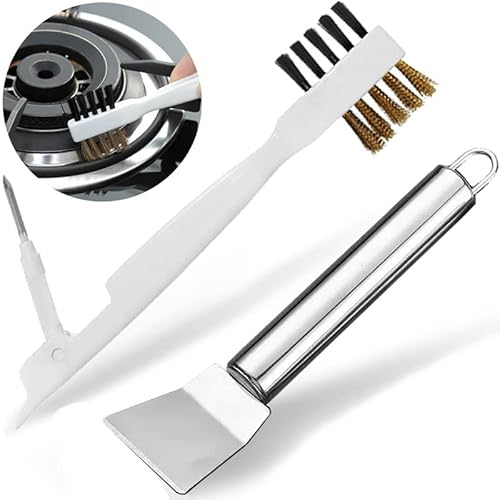
- stovetop burner cleaning brush set with scraper
- non-scratch sponge and microfiber cloth for electric stove drip pans


Before You Start
Prepare a clean, well-lit workspace. Ensure the stove is completely cool before handling coils and drip pans. Protect the counter with a soft mat or towel to avoid scratches. Ventilate the area if using sprays and follow label directions. Have a timer ready if you plan to soak parts, and set aside 15–30 minutes for the initial cleanup.
Step-By-Step: How To Clean Electric Stove Burners And Drip Pans
- Turn off the stove, unplug if applicable, and remove the burner coils from their sockets. Let them cool completely before handling.
- Place a damp cloth under the burners to catch drips and prevent scratches during removal.
- Wipe loose crumbs and grease from the burner heating elements and drip pans with a dry cloth or a non-scratch sponge.
- Spray a light coating of stovetop drip pan cleaner spray 12 oz safe for porcelain on the drip pans. Let it sit for 2–5 minutes to loosen baked-on residue.
- Use the electric stove burner cleaner kit non-abrasive scrub brush or stovetop burner cleaning brush set with scraper to scrub the drip pans gently in circular motions. Avoid metal brushes on porcelain.
- Rinse or wipe away cleaner with a damp cloth. If residue remains, repeat spray and scrub once more to avoid buildup.
- Inspect burner coils for corrosion or damage. If a coil has burn marks or loosened connections, consider replacing it with an electric coil burner drip pan replacement 8 inch.
- Dry all parts thoroughly with a clean microfiber cloth before reassembling the stove. Reinsert coils securely and test with a brief warm cycle to check for even heating.
- For stubborn stains, reapply cleaner and allow a longer soak up to 10 minutes, then scrub again. Finish with a dry wipe to avoid streaks.
- If drip pans show cracks or pitting after cleaning, replace them to ensure proper fit and cooking performance.
- Regular maintenance, such as a light wipe-down after cooking, helps prevent heavy buildup and extends the life of the spark and heat distribution.
- Keep a routine of inspection every few weeks, especially if spills are common, to catch wear before it affects performance.
Troubleshooting
| Symptom | Likely Cause | Fix | Prevention |
|---|---|---|---|
| Coil won’t heat | Loose connection or damaged coil | Remove and re-seat; replace if needed | Handle coils gently; store securely |
| Burnt-on residue on drip pans | Baked grease | Spray cleaner; soak; scrub with brush | Wipe spills promptly |
| Streaks after cleaning | Cleaner residue or hard water | Wipe with a damp cloth, then dry | Rinse with clean water; dry thoroughly |
| Uneven heating | Damaged coil or misaligned drip pan | Inspect and replace damaged parts | Regularly check alignment |
Common Mistakes
- Using abrasive pads on porcelain drip pans
- Soaking metal coils beyond manufacturer guidelines
- Mixing cleaner types that can react with coatings
- Forgetting to dry parts completely before reassembly
- Ignoring cracks or corrosion in drip pans or coils
Avoid these missteps to maintain performance and prolong the life of electric stove components.
Tips For Best Results
- Clean spills promptly to minimize baked-on residues.
- Use a dedicated spray for porcelain surfaces to prevent dulling.
- Keep a soft microfiber cloth on hand for quick touch-ups after cooking.
- Label replacement parts with a note on placement to simplify reassembly.
- Store cleaning tools together to make future maintenance faster.
Call A Professional
Call a professional if the coils overheat consistently, burn or arc, or if drip pans show cracks or corrosion that could impact safety. Do not attempt significant electrical repairs yourself, and seek service when replacing electrical components or wiring is suspected.
FAQ
How often should I clean electric stove burners and drip pans?
Most households benefit from a light wipe-down after each use and a deeper cleaning every 1–2 weeks, depending on spill frequency and cooking styles.
Can I use vinegar or lemon juice on porcelain drip pans?
Yes, these can help with mineral buildup, but test a small area first to ensure no discoloration or coating damage.
Is it safe to soak coils or drip pans?
Follow manufacturer instructions; generally, drip pans may be soaked, while coils should not be submerged.
What should I do if a drip pan is cracked?
Replace it with an approved size to maintain heat distribution and prevent leaks.
Can I use a dishwasher for drip pans?
Check the material; many porcelain drip pans are dishwasher-safe, but some have coatings that may wear. When in doubt, hand wash.
What tools are essential for routine cleaning?
A non-abrasive brush, a porcelain-safe spray, a non-scratch sponge, and microfiber cloths cover most tasks well.
How can I prevent future stains?
Wipe spills promptly, use a protective spray on porcelain, and avoid letting fats burn on the surface.
Buying Guide
When selecting tools and replacement parts for cleaning electric stove burners and drip pans, consider several factors. Size compatibility ensures that burners and drip pans fit your model, so verify the 8-inch coil and corresponding drip pan dimensions. Noise level is not typically a concern for cleaning, but a quiet spray bottle and brush can improve the experience. Energy efficiency isn’t a direct factor in cleaning tools, yet choosing durable, long-lasting cleaners reduces waste and maintenance frequency. Look for spray formulas labeled safe for porcelain to protect surfaces. Controls are generally simple spray and scrub actions, while placement refers to organizing your cleaning kit for easy access under the sink or on the countertop. For value, compare kits that include both brushes and non-scratch sponges, and consider a dedicated replacement drip pan if your current one is pitted or cracked. Finally, assess compatibility with your stove’s model and ensure you can safely detach and reattach parts without tools. Would a compact set cover your needs, or do you prefer a full kit with multiple brushes and scrapers for faster cleaning? A thoughtful choice supports consistent upkeep and better cooking results.