Stains from dry erase markers on fabrics can be stubborn, but with the right approach you can lift the ink without damaging the material. This guide provides practical, step-by-step methods using common stain-removal products designed for fabrics.
Quick Answer
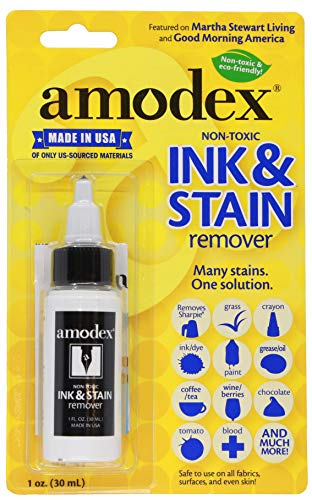
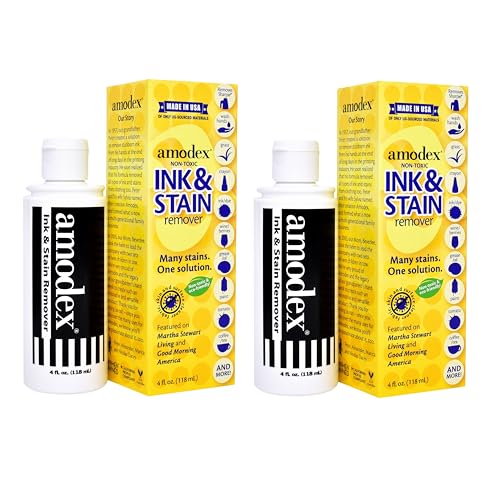
Act quickly to blot—do not rub—then treat with a fabric-safe stain remover pen marker ink or dry erase marker stain remover spray for fabric. For tougher spots, use an ink stain remover brush for fabrics and follow with a prewash fabric stain remover gel marker ink before laundering as usual.
What You’ll Need
- Fabric stain remover pen marker ink
- Dry erase marker stain remover spray for fabric
- Ink stain remover brush for fabrics
- Laundry stain remover pen marker ink clothes
- Prewash fabric stain remover gel marker ink

Before You Start
Test any product on a hidden area of the fabric to check colorfastness. Work on a fresh stain, not dried residue. Blot gently with a clean cloth to lift as much ink as possible. Avoid heat until the stain is fully removed, which can set the ink. Estimate 15–30 minutes for initial treatment and 1–2 hours for deeper stains.
Step-By-Step: How To Remove Dry Erase Marker From Fabric
- Blot the stain with a clean, dry cloth to remove excess ink; avoid rubbing to prevent spreading.
- Apply a small amount of fabric-safe stain remover pen marker ink directly to the stain; let it sit for 5–10 minutes.
- Gently blot again with a clean cloth, lifting as much ink as possible.
- If the stain remains, spray a dry erase marker stain remover spray for fabric from about 6 inches away and wait 3–5 minutes.
- Use an ink stain remover brush for fabrics to work the product into the fibers with light strokes; avoid harsh scrubbing.
- Rinse the treated area with cold water or run under a gentle stream to remove loosened ink and cleaning agents.
- Apply a laundry stain remover pen marker ink clothes to the stain, following the product directions, and let it sit as directed.
- Rewash the garment in the warmest water recommended by the fabric care label with a good detergent.
- Check the stain before drying. If any ink remains, repeat steps 2–7; drying can set the stain.
- Air-dry the fabric or tumble dry on the garment’s recommended setting after the stain is gone.
- If color transfer or faint outline remains, repeat a spot treatment using a prewash fabric stain remover gel marker ink before final laundering.
Troubleshooting
| Symptom | Likely Cause | Fix | Prevention |
|---|---|---|---|
| Stain remains after first wash | Ink deeply set or multiple ink sources | Repeat treatment with ink-removal products | Treat promptly; avoid heat until fully removed |
| White residue or film | Detergent buildup or product residue | Rinse thoroughly; rewash with another cycle | Rinse until water runs clear |
| Fabric color fading | Aggressive cleaner or prolonged exposure | Limit exposure time; use milder regimen | Spot-test first; follow label directions |
| No improvement after multiple attempts | Stain type or fabric type mismatch | Consult a professional cleaner | Identify fabric care guidelines prior to cleaners |
Common Mistakes
- Using hot water or heat before fully removing the stain, which can set ink.
- Rubbing aggressively, which can push ink deeper into fibers.
- Applying multiple products at once, causing chemical interaction that damages fabric.
- Over-wetting delicate fabrics, which can spread ink or weaken fibers.
Sticking to slow, patient treatments with fabric-safe products yields the best results and reduces the risk of damage.
Tips For Best Results
- Test products on an inconspicuous area before treating visible areas.
- Work from the outside of the stain toward the center to prevent spreading.
- Always follow label instructions and fabric care labels on garment; cooler water generally preserves color.
- For delicate fabrics, consider a professional cleaning for persistent stains.
- Keep a stain-removal pen and spray handy for quick response to spills.
Call A Professional
Seek professional help if the stain covers a large area, a high-value fabric (silk, wool, suede), or bleeding color occurs after initial treatment. If home methods fail after multiple attempts, a professional cleaner has access to advanced solvents and secure color-safe processes.
FAQ
Can I use laundry detergent directly on the marker stain?
Yes, a liquid laundry detergent can help, but follow with a targeted stain remover for best results.
Will heat set the stain?
Yes, heat can set many marker stains; avoid hot water and dryer heat until the stain is removed.
Is it safe to mix multiple stain removers?
Mixing cleaners can cause chemical reactions; use products separately as directed.
What fabrics are most susceptible to marker stains?
Natural fibers like cotton and linen tend to absorb inks more readily, but all fabrics can show marks.
Buying Guide
When choosing stain-removal products for fabric, consider size, ease of use, and compatibility with delicate fabrics. Look for formulas that explicitly target marker ink and are labeled safe for your fabric type. Values like a spray vs. pen can affect gel coverage and precision. Consider combining a spray for quick treatment with a brush for stubborn spots, and a prewash gel for tougher fabrics or older stains. If you regularly encounter marker ink on clothing or upholstery, a kit including a fabric-safe ink remover pen and a prewash gel offers flexibility for multiple fabrics and stain scenarios.