Dish racks can accumulate crusty mineral deposits, soap scum, and grime from daily use. Baking soda offers a gentle, effective option to brighten, deodorize, and sanitize metal, plastic, and coated racks without harsh chemicals. Following these practical steps helps extend the life of the rack and keeps your kitchen smelling fresh.
Quick Answer
Yes. Baking soda paste or a baking soda-based cleaner is a safe, effective choice for removing stuck-on residue from most dish racks. Pair it with a non-scratch scrub sponge or a long-handle brush for tough spots, then rinse thoroughly and air dry.
What You’ll Need
- Dish rack cleaning brush with long handle stainless steel
- Non-scratch scrub sponge for dish rack cleaning
- Stainless steel dish rack cleaner brush set
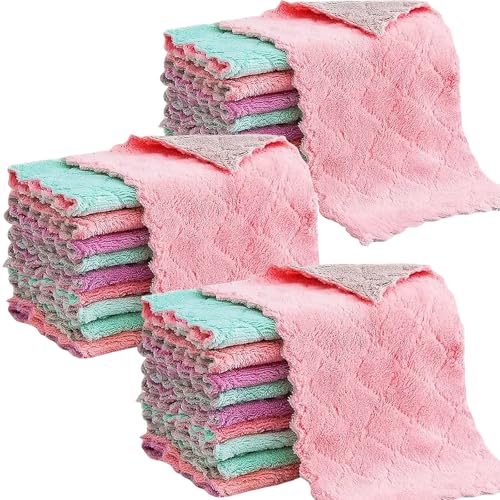
- Microfiber dish rack cleaning cloths
- Baking soda paste cleaning kit for kitchen racks


Before You Start
Clear the area and remove dishes from the rack. Mix a gentle cleaning solution: a paste of baking soda and water or a solution of baking soda with a splash of warm water. Test a small area first to ensure compatibility with your rack material. Allow time for the rack to dry completely between cleanings to prevent rust and mold growth.
Estimated time: 15–30 minutes depending on grime. If you notice any rust on metal parts, address promptly to prevent further corrosion. Use gloves if you have sensitive skin, and ensure good ventilation when using cleaning agents.
Step-By-Step: How To Clean A Dish Rack With Baking Soda
- Detach removable parts like trays and removable rails, or separate sections if possible.
- Rinse the rack with warm water to loosen loose debris and grease.
- Apply a baking soda paste (baking soda mixed with a small amount of water) to all surfaces, focusing on corners and joints where grime collects.
- Use the dish rack cleaning brush with long handle stainless steel or the non-scratch scrub sponge for dish rack cleaning to work the paste into crevices.
- Let the paste sit for 5–10 minutes to break down buildup, then scrub again for stubborn spots.
- Rinse thoroughly with warm water until all residue is removed. For metal racks, dry with a microfiber cloth to prevent water spots.
- Reassemble any parts and stand the rack in a well-ventilated area to air dry completely.
- For persistent odors, repeat with a fresh baking soda paste or follow with a quick wipe using microfiber dish rack cleaning cloths.
- Optional: Apply a light pass with the stainless steel dish rack cleaner brush set to maintain metal shine after drying.
- Inspect for rust or damage; address any issues before reusing to avoid transfer to dishes.
- Establish a regular cleaning schedule to prevent heavy buildup and keep the rack looking like new.
Troubleshooting
| Symptom | Likely Cause | Fix | Prevention |
|---|---|---|---|
| Stubborn brown stains | Mineral buildup | Apply baking soda paste and scrub with long-handled brush | Dry after each use; wipe down |
| Rust spots | Metal exposure or damaged coating | Rinse well, dry thoroughly; consider replacement | Avoid abrasive scrubs on coated surfaces |
| Musty odor | Moist environment and mold | Clean with baking soda and ventilate area | Regular drying and quick cleanup of spills |
| Scratches on plastic | Abrasion from stiff brushes | Use non-scratch sponge and soft brushes | Choose gentler tools for plastics |
Common Mistakes
- Using harsh detergents that can degrade rack materials
- Not rinsing completely, leaving soap or paste residue
- Not drying thoroughly, which invites mold or rust
- Using abrasive brushes on delicate coatings
Tips For Best Results
- Warm water helps the baking soda paste dissolve grime more effectively
- Always dry metal racks to prevent corrosion and water spots
- For tough grime, let the paste sit longer, but check for surface compatibility first
- Use microfiber cloths for a streak-free finish on metal and plastic surfaces
Call A Professional
Seek professional help if you notice extensive rusting, cracked coatings, or if the rack shows signs of structural failure. If cleaning requires aggressive chemicals beyond baking soda, or if the rack is integrated into a larger cabinet system with electrical components, consult a professional to avoid damage or safety hazards.
FAQ
Can baking soda damage stainless steel racks?
No, baking soda is generally safe for stainless steel when used as a paste and rinsed well.
How often should I clean a dish rack?
Clean monthly or whenever buildup becomes noticeable to prevent odors and mold.
Can I use baking soda on plastic racks?
Yes, baking soda is gentler on plastic and helps remove stains and odors.
What if my rack has rust spots after cleaning?
Dry thoroughly and consider replacing the affected parts or the entire rack if corrosion is widespread.
Is it okay to use a dishwasher for rack cleaning?
Dishwashers can be harsh; hand cleaning with baking soda is usually safer for long-term care.
Should I use vinegar with baking soda?
It’s best to avoid mixing vinegar with baking soda for this task, as it can reduce cleaning effectiveness.
Buying Guide
Choosing the right dish rack cleaning approach involves evaluating size, material, and maintenance needs. Consider whether your rack sits on a counter or hangs beneath cabinetry, as this affects placement and drainage. For upkeep, a set that includes a long-handle brush, a non-scratch sponge, and microfiber cloths offers a balanced approach to cleaning different surfaces. Look for rust-resistant metal finishes and reinforced seams if the rack experiences frequent use. A dedicated baking soda cleaning kit can simplify routine maintenance and help keep surfaces free of residue.
Buying Guide: Key Factors
- Size and capacity: Measure the rack and the space available in your kitchen to ensure a proper fit.
- Material and finish: Stainless steel resists rust; plastics are lightweight but may scratch if aggressively cleaned.
- Noise and drainage: A rack with integrated drainage or a tray reduces puddling and noise during cleaning.
- Ease of cleaning: Smooth surfaces and removable components simplify maintenance.
- Maintenance tools: Include a long-handled brush, non-scratch sponge, microfiber cloths, and a baking soda cleaning kit for best results.
- Placement considerations: Consider whether the rack will be placed on a counter, under a cabinet, or as a wall-mounted unit for optimal airflow.