Deck railings endure sun, rain, and seasonal grime, requiring a routine cleaning routine to maintain appearance and longevity. This guide outlines practical methods for different railing materials, with step-by-step instructions, safety notes, and troubleshooting tips to help American homeowners keep railings looking fresh and sturdy.
Quick Answer
Choose a method based on railing material: a stiff nylon deck railing brush for scrubbing, a long-handle outdoor deck railing cleaning brush for hard-to-reach areas, and a vinyl railing cleaner spray bottle for gentle, chemical-based cleaning. For stubborn grime, use a pressure washer wand attachment designed for deck rail cleaning, and finish with a deck rail scrubbing brush with an ABS handle for final brushing. Always test a small area first.
What You’ll Need
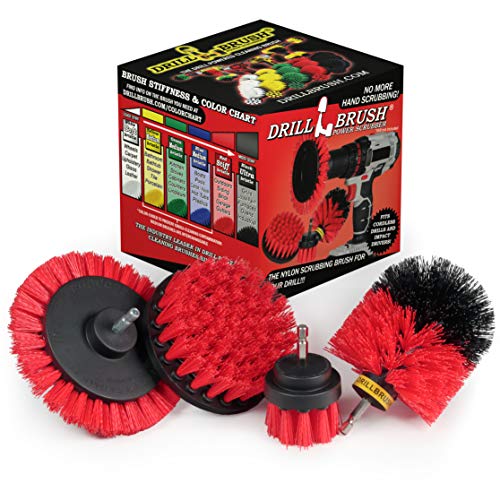
- Stiff nylon deck railing brush 18 inch
- Outdoor deck railing cleaning brush long handle
- Vinyl railing cleaner spray bottle for deck
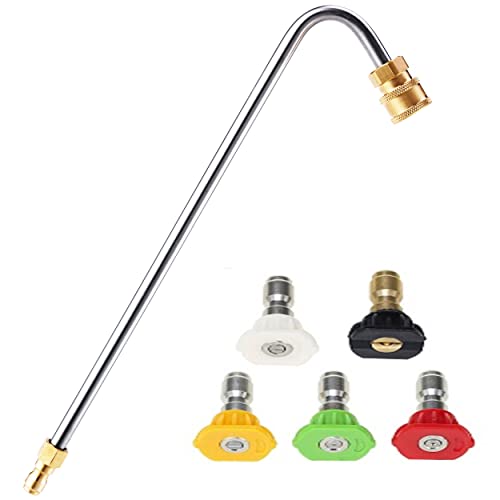
- Pressure washer wand attachment for deck railing cleaning
- Deck rail scrubbing brush with ABS handle

Before You Start
Assess rail material and finish before cleaning. Wood rails may require mild cleaners and protective sealing afterward, while vinyl rails benefit from cleaners labeled safe for vinyl. Avoid highly abrasive pads on delicate finishes. Clear the area and cover adjacent plants or furniture. Use eye protection and gloves, and never aim a pressure washer at joints or hardware at close range. Time estimates vary: light cleaning can take 20–40 minutes, while extensive buildup on larger decks may take 1–2 hours.
Critical cautions: never mix cleaners unless the label permits it; test in a hidden spot first; and don’t exceed recommended pressure settings on the rail to prevent damage.
Step-By-Step: How To Clean Deck Railing
- Clear the area around the deck railing and pull back any loose furniture or decorations.
- Rinse the railing with a light spray of water to loosen surface dirt.
- Apply a vinyl-safe cleaner to vinyl rails using the vinyl railing cleaner spray bottle for deck, or mix a mild solution for wooden or composite rails.
- Scrub with the stiff nylon deck railing brush 18 inch to lift grime from rail posts, balusters, and top rails.
- For hard-to-reach spots, switch to the outdoor deck railing cleaning brush long handle and work from the ground or a stable ladder.
- Rinse again from top to bottom with a gentle spray, ensuring all cleaner residue is washed away.
- If stubborn buildup remains, use the pressure washer wand attachment for deck railing cleaning at a low-to-medium setting and a wide spray pattern, keeping the nozzle at a safe distance.
- Finish with a final light brush using the deck rail scrubbing brush with ABS handle to restore the surface and remove any remaining grime.
- Allow the railing to dry completely before reassembling or applying any protective sealant if needed.
- Inspect for loose boards, chipped paint, or structural issues. Address concerns promptly to avoid further damage.
- Store cleaning tools properly after use, and rinse the equipment to prevent residue buildup.
Troubleshooting
| Symptom | Likely Cause | Fix | Prevention |
|---|---|---|---|
| Stubborn grime remains after brushing | Inadequate cleaner or insufficient scrubbing | Apply extra cleaner and scrub with the stiff nylon brush; switch to long-handle tool for gaps | Use a periodic cleaning schedule to prevent heavy buildup |
| Discoloration after cleaning | Harsh cleaner or abrasive pad | Switch to vinyl-safe cleaner and non-abrasive brushes | Test first on a small area |
| Paint or seal lifting | High-pressure washing or aggressive scrubbing | Reduce pressure and gentler scrubbing; consult a pro if damage is suspected | Use gentler methods for painted or sealed surfaces |
| Rail joints feel loose after cleaning | Water intrusion or overtightening | Inspect joints; tighten or replace fasteners as needed | Regular maintenance and gentle cleaning around joints |
Common Mistakes
- Using overly aggressive brushes on delicate finishes
- Using harsh chemicals that can damage vinyl or wood
- Spraying water directly into electrical outlets or wiring near the railing
- Neglecting to dry surfaces thoroughly after cleaning
- Rushing the cleaning process on weathered or aged railings
Tips For Best Results
- Clean on a dry, mild day to prevent quick re-soiling and ensure safer scrubbing conditions.
- Work from top to bottom to avoid dirty runoff staining cleaned sections.
- Use the right tool for the job: long-handle tools reduce bending, and stiff brushes lift embedded grime.
- Test cleaners on a hidden area first to confirm colorfastness and finish compatibility.
- For vinyl rails, stick to cleaners labeled safe for vinyl to avoid warping or dulling the surface.
- Consider sealing wooden or composite rails after thorough drying to extend cleanliness and protection.
Call A Professional
Seek professional help if railings show widespread rot, significant structural damage, loose posts, or cracked joints that cleaning cannot fix. Stop cleaning and contact a licensed contractor if you notice soft spots, spongy feel, or visible warping in wooden rails. For complex installations or electrical components integrated into the railing, a pro can ensure safety and proper restoration.
FAQ
Is it safe to use a pressure washer on wooden deck railings?
Pressure washers can damage wood if set too high or held too close; use a wide spray pattern at a low pressure and test on a small area first.
What cleaner should I use on vinyl railings?
Choose a vinyl-safe cleaner designed for plastic surfaces and avoid abrasive pads that can scratch the finish.
How often should I clean deck railings?
Most rails benefit from a light cleaning every 3–6 months, with deeper cleanings annually or as needed based on weather exposure.
Can I seal wooden railings after cleaning?
Yes, allow full drying time, then apply a compatible sealant or finish to protect against moisture and UV damage.
Buying Guide
When choosing cleaning tools and products for deck railings, consider size, noise, and efficiency. For large decks, an 18 inch stiff nylon brush can speed scrubbing, while a long-handle option reduces bending. Noise isn’t a major concern with manual brushes, but when using a pressure washer, select a model with adjustable pressure and a wand attachment specifically designed for deck rail cleaning to protect surfaces. Energy efficiency matters less for hand tools but choose lightweight, ergonomic designs to reduce fatigue. Look for tools with durable ABS handles and corrosion-resistant materials for long-term use. Consider the railing material and pick cleaners compatible with vinyl, wood, or composite finishes. Finally, evaluate placement and storage options to keep brushes ready for quick maintenance after bad weather or seasonal use.