Cleaning a concrete porch can restore curb appeal and extend the life of outdoor surfaces. This guide outlines practical, step-by-step methods using common tools and products suited for American homes. Readers will learn how to remove dirt, oil stains, and mildew while protecting surrounding vegetation and furnishings.
Whether preparing for guests or simply maintaining a neat entrance, following a structured approach helps achieve durable results with minimal effort.
Quick Answer
Best approach: Start with a water rinse, apply a concrete cleaner degreaser for stubborn stains, scrub with a stiff nylon brush, and finish with a rotary surface cleaner or pressure washer on a safe setting. For tough grease, use a masonry cleaning solution concentrate and repeat as needed.
What You’ll Need
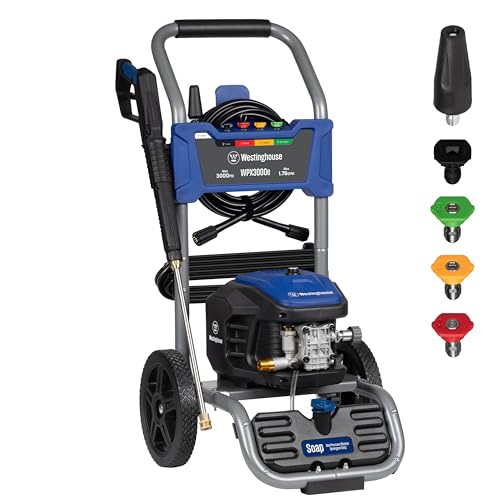
- Electric pressure washer for concrete cleaning 2000-3000 PSI
- Concrete cleaner degreaser for outdoor porch
- Stiff nylon scrub brush for concrete porch cleaning
- Rotary surface cleaner attachment for concrete cleaning
- Masonry cleaning solution concentrate for concrete porch


Before You Start
Assess the porch for cracks or loose mortar and seal any gaps before deep cleaning. Protect nearby plants, furniture, and electrical outlets. Test a small, inconspicuous area to ensure the cleaner does not discolor the concrete. Time estimate: 90–180 minutes depending on porch size and stains. Always wear eye protection, gloves, and non-slip footwear.
Remove loose debris with a broom and rinse surfaces with water. For porous concrete, avoid aggressive scrubbing that could gouge the surface. If weather is humid or the surface is wet, postpone to prevent slipping.
Step-By-Step: How To Clean a Concrete Porch
- Clear the porch and cover adjacent planters; remove furniture and mats.
- Rinse the surface with a broad spray to remove loose dirt and debris.
- Apply the concrete cleaner degreaser for outdoor porch according to label directions on stained areas.
- Let the solution dwell for the recommended time, then scrub using the stiff nylon scrub brush for concrete porch cleaning in circular motions.
- For large flat areas, attach a rotary surface cleaner attachment for concrete cleaning to the pressure washer for even cleaning and reduced splatter.
- Rinse thoroughly from top to bottom, ensuring all cleaner residues are removed.
- Inspect for remaining stains; apply masonry cleaning solution concentrate to persistent spots and re-scrub as needed.
- Lightly re-rinse and allow the porch to air dry completely before replacing furniture.
- If heavy mildew appears, repeat the treatment on affected sections and consider sealing porous surfaces after drying.
- Record maintenance notes and schedule periodic cleanings to prevent buildup.
- Store tools and cleaners safely, following manufacturer instructions for each product.
Troubleshooting
| Symptom | Likely Cause | Fix | Prevention |
|---|---|---|---|
| Poor cleaning on stubborn stains | Insufficient dwell time or wrong cleaner | Reapply cleaner and let dwell; use masonry cleaning solution concentrate on tough stains | Pre-treat stains early; use appropriate cleaner for oil or grease |
| Discoloration after cleaning | Overly strong cleaner or excessive scrubbing | Rinse thoroughly; test a small area first | Follow label directions; avoid aggressive scrubbing on delicate finishes |
| Streaks or roller marks | Inconsistent pressure or water angle | Use a rotary surface cleaner for uniform coverage | Maintain steady motion and clean water outlet |
| Slick surface after cleaning | Residual cleaner or incomplete rinse | Rinse again with ample water | Allow full drainage and dry before use |
Common Mistakes
- Using overly harsh cleaners that damage the concrete or nearby vegetation.
- Skipping a test patch, leading to unexpected discoloration.
- Overlapping spray patterns without overlap, causing streaks.
- Neglecting to protect plants and outdoor furniture.
Tips For Best Results
- Work from the highest point toward the lowest to prevent dirty water from running over cleaned areas.
- Use a rotating attachment to minimize streaks and speed up maintenance.
- Choose a low-chemical masonry cleaning solution concentrate for heavy staining and oil spots.
- Keep the nozzle at an appropriate distance to avoid surface etching and to reduce spray rebound.
- Schedule cleaning when weather is dry to allow full drying time and resin seal compatibility.
Call A Professional
Consider a pro if the porch has extensive cracking, old oil residues, or heavy mildew that resists standard cleaning. Stop and consult a professional if:
- There are visible structural cracks or loose concrete.
- Stains cover more than half the porch or involve unfamiliar substances.
- You’re unsure about the correct cleaner choice for your surface.
- Electrical outlets, boards, or wiring are exposed or compromised.
FAQ
Is it safe to use a pressure washer on concrete porches?
Yes, with the correct nozzle, pressure, and distance, a pressure washer can safely clean concrete porches. Use 2000–3000 psi settings and a wide spray to minimize damage.
What cleaner should I use for oil stains?
A concrete cleaner degreaser designed for outdoor use is effective; for stubborn spots, a masonry cleaning solution concentrate can help.
How often should I clean a concrete porch?
Depends on climate and foot traffic; many homeowners perform a thorough cleaning every 6–12 months and spot-clean as needed.
Can I seal the porch after cleaning?
Yes, sealing after the surface is fully dry helps protect against stains and weathering. Follow the sealer’s instructions and temperature requirements.
What safety steps are essential?
Wear eye protection, gloves, and non-slip footwear; protect plants; never aim the spray at people or outlets; test on a small area first.
Should I rent or buy cleaning equipment?
For occasional use, renting is cost-effective. For frequent maintenance, owning a pressure washer and attachments offers convenience.
Buying Guide
When choosing tools and products for cleaning a concrete porch, consider:
- Size and power: A compact electric pressure washer in the 2000–3000 PSI range handles most residential porches without excessive water use.
- Cleaner types: Use a concrete cleaner degreaser for oils and a masonry cleaning solution concentrate for tough stains. Always follow label directions.
- Scrubbing tools: A stiff nylon scrub brush effectively removes embedded dirt, while a rotary surface cleaner speeds up large-area cleaning and reduces splatter.
- Attachment versatility: A rotary surface cleaner attachment helps achieve even results on flat surfaces, especially when paired with a pressure washer.
- Placement and drainage: Ensure adequate drainage and avoid cleaning near delicate plants or furniture without protective coverage.
- Maintenance: Look for cleaners and tools with clear usage instructions and safety notes to prevent surface damage and injuries.
Want a balanced setup? A typical practical kit includes the electric pressure washer for concrete cleaning 2000-3000 PSI, concrete cleaner degreaser for outdoor porch, stiff nylon scrub brush for concrete porch cleaning, rotary surface cleaner attachment for concrete cleaning, and masonry cleaning solution concentrate for tough stains. Consider your porch size, stain severity, and local climate when deciding purchase priority. If unsure, consult a local pro for tailored recommendations.