Cewage cigarette smoke can linger in vehicles, embedding odors in upholstery, carpets, and vents. This guide provides practical, step-by-step methods using common car odor removal tools to refresh a smoke-scented interior and improve air quality for regular driving comfort.
By combining ventilation, targeted cleaning, and odor-neutralizing products, car owners can effectively reduce smoke residue and odors. The approach emphasizes safety, thoroughness, and the correct use of specialized equipment designed for automotive environments.
Quick Answer
Start with a thorough interior cleaning, then use an automotive ozone or odor removal kit in a well-ventilated space. Follow with HEPA air purification and carbon-based deodorizing treatments. Ventilate long after treatment to ensure odors dissipate.
What You’ll Need
- Car ozone generator odor removal
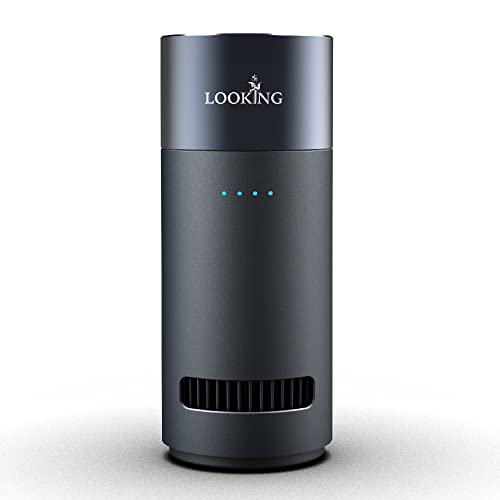
- Automotive air purifier HEPA activated carbon
- Car odor neutralizer spray activated enzymes
- Carbon activated deodorizer for cars
- Ozone odor removal kit for cars


Before You Start
Ensure all passengers are out of the vehicle during treatment. Ozone generators should be used only in unoccupied spaces, and windows must remain closed during operation. After use, air out the car thoroughly with open windows or doors. Time estimates vary, but plan 1–4 hours for processes that involve cleaning and odor neutralizers, plus additional ventilation time after ozone treatment. Never inhale ozone directly and follow all safety instructions on equipment labels.
Step-By-Step: How To Clean Cigarette Smoke From Car
- Remove trash and vacuum all fabrics, including seats, carpets, and mats to lift loose ash and debris.
- Wipe down hard surfaces with a mild cleaner or automotive interior cleaner to remove film and nicotine residue.
- Use a car ozone generator odor removal in an enclosed, unoccupied space to neutralize embedded odors in upholstery and headliners.
- Run the automotive air purifier HEPA activated carbon to capture particulates and odors circulating in the cabin.
- Apply a car odor neutralizer spray activated enzymes to fabrics and carpets to break down odor molecules at the source.
- Place a carbon activated deodorizer for cars in the cabin or door pockets to absorb remaining odors over several days.
- If permitted, use an ozone odor removal kit for cars for a follow-up treatment according to the product’s instructions.
- Re-clean and re-vacuum any areas that still feel smoky, paying attention to the seat seams and under mats.
- Replace cabin air filters if the vehicle has a disposable filter or clean if it is a washable type.
- Ventilate the car by keeping windows open for a period after treatments to dissipate any lingering compounds.
- Take a test drive with the windows down to help air circulate and confirm improvements in odor levels.
- Consider repeating select steps if the smell persists after several days, focusing on odor sources like headliner and upholstery.
Troubleshooting
| Symptom | Likely Cause | Fix | Prevention |
|---|---|---|---|
| Smell returns after cleaning | Residual odors in fabric | Re-treat with enzyme spray and reinstall filtration | Address root sources; use enzyme-based products in the future |
| Ozone odor after treatment | Insufficient ventilation or overuse | Ventilate thoroughly; reduce ozone treatment duration | Follow timing guidelines on the device |
| Visible dampness or mold-like odor | Moisture trapped in carpets or headliner | Dry surfaces completely; use desiccants | Ensure the car dries after any spill or cleaning |
| Filter or airflow smells | Contaminated cabin air filter | Replace or clean the filter | Check filters regularly |
Common Mistakes
- Rushing the cleaning process and skipping hidden areas like seat seams and under mats.
- Using ozone in occupied spaces or exceeding recommended exposure times.
- Relying on a single product; odors can be multi-source and require combination treatments.
Tips For Best Results
- Combine multiple approaches: surface cleaning, odor-neutralizing enzymes, and carbon-based deodorization for best outcomes.
- Work in a well-ventilated area when possible to prevent the accumulation of cleaning fumes.
- Target sources: headliner, seats, carpets, and vents often harbor nicotine residues that cause persistent odors.
- Test products on a small, inconspicuous area first to ensure colorfastness and fabric compatibility.
Call A Professional
Consider calling a professional detailing service if odors persist after multiple attempts, or if the odor sources seem deeply embedded in the upholstery, headliner, or HVAC system. Stop signs include persistent smoky smell after repeated treatments, or if you notice mold growth or water damage that requires remediation.
FAQ
Is it safe to use ozone generators in a car?
Ozone generators should be used only in unoccupied cars and according to the manufacturer’s instructions to prevent health risks.
Will these methods remove cigarette smoke completely?
Most methods significantly reduce odors, but complete removal may depend on the extent of odor penetration and fabric materials.
How often should I repeat treatments?
Repeat treatments only as needed, starting with a thorough cleaning and one follow-up odor treatment if odors persist.
Can I use regular air fresheners after cleaning?
Yes, but choose enzyme-based or activated charcoal options to avoid masking rather than removing odors.
What maintenance reduces future cigarette smoke odor?
Keep up with cabin air filter replacement, regular cleaning, and prompt treatment of any smoke exposure to prevent deep odor absorption.
Do filters capture cigarette smoke effectively?
High-quality filters plus activated carbon can reduce smoke particulates and odors, but cleaning remains essential.
Buying Guide
When choosing tools to clean cigarette smoke from a car, consider size, performance, and compatibility with automotive interiors. Questions to ask include how much space you’re treating, whether you need portable or stationary devices, and how aggressive you want the odor removal to be. Compare products based on odor removal effectiveness, safety features, and ease of use in a vehicle. Look for certifications or reviews indicating real-world results indoors a car cabin. A balanced approach often combines a car ozone generator odor removal for thorough decontamination with an automotive air purifier HEPA activated carbon for ongoing air cleaning, paired with enzyme-based deodorants for long-lasting freshness.