Burnt-on residue on a carbon steel pan is a common hurdle for home cooks. This guide explains a practical, kitchen-safe method to restore the pan’s surface, extend its life, and keep seasoning intact. The steps focus on gentle, effective cleaning that avoids harsh chemicals while addressing stubborn deposits.
Quick Answer
Quick method: Soak with hot water, scrub with a carbon steel pan cleaning scrubber or brush, apply baking soda paste if needed, rinse, dry, and re-season. For persistent burnt spots, use a powder cleanser designed for carbon steel cookware in small amounts, then rinse thoroughly and re-season.
What You’ll Need
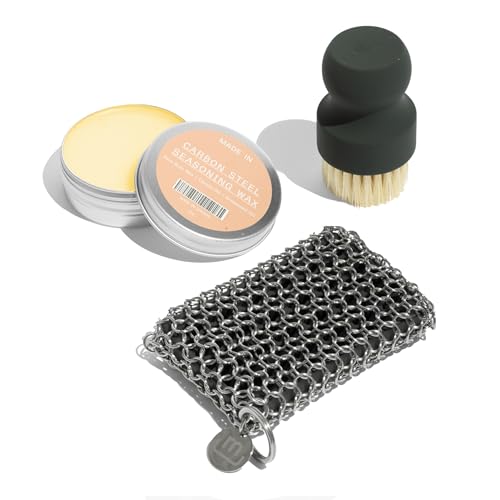
- carbon steel pan cleaning scrubber chainmail
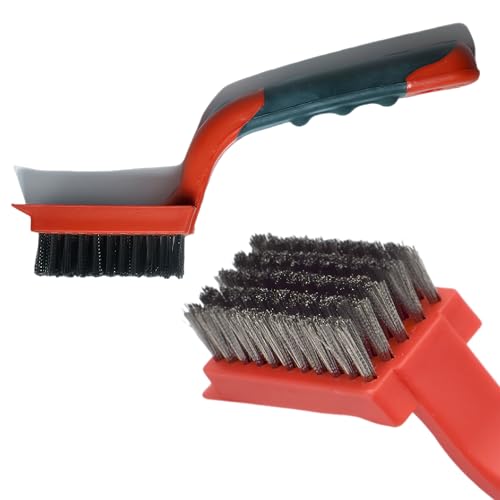
- stainless steel pan scrubber for burnt residue carbon steel
- pan cleaning brush carbon steel skillet
- bar keepers friend powder cleanser for carbon steel cookware
- baking soda paste carbon steel pan cleaner
Before You Start
Assess the pan’s seasoning and avoid aggressive metal scrapers that could scratch the surface. Work on a cool, dry counter to prevent steam burns. If the pan is very hot, allow it to cool briefly before washing. Keep in mind that carbon steel pans rely on a layered seasoning to repel rust and create a nonstick surface over time. Do not soak carbon steel pans for long periods.
Time estimate: 15–30 minutes for a typical cleaning session. If the pan is heavily burnt or rusty, plan for a longer session spread over two steps. Always dry promptly to prevent moisture from starting rust.
Step-By-Step: How To Clean A Burnt Carbon Steel Pan
- Rinse the pan with hot water to loosen loose burnt bits and prevent scraping dust from drying on the surface.
- Use a carbon steel pan cleaning scrubber chainmail or a stainless steel pan scrubber to lift burnt residues without abrading the seasoning.
- For stubborn spots, apply a small amount of baking soda paste (baking soda mixed with water) and scrub gently in circular motions.
- Rinse with hot water and repeat the scrubbing until the burnt layer loosens significantly.
- If residues persist, sprinkle Bar Keepers Friend powder cleanser on a damp pad and scrub the affected areas softly, then rinse thoroughly.
- Wash with mild dish soap only if you typically wash your pan with soap; otherwise skip if you wish to preserve seasoning, then rinse completely.
- Dry the pan immediately with a towel, then place on a warm burner for a minute to ensure all moisture is evaporated.
- Apply a light coat of neutral oil (high-smoke point oil is preferred) and rub it in evenly to re-season the surface. Wipe excess oil before storing.
- Heat the pan gently on the stove for a few minutes to polymerize the oil and improve the nonstick layer.
- Store in a dry place with the lid off or with a paper towel between cookware to prevent moisture buildup.
- If rust appears in the future, repeat the cleaning steps promptly to minimize damage and re-season as needed.
Troubleshooting
| Symptom | Likely Cause | Fix | Prevention |
|---|---|---|---|
| Burnt, stubborn residue remains | Heavy scorching | Use baking soda paste or Bar Keepers Friend powder cleanser with gentle scrubbing | Preheat with oil after each use to maintain seasoning |
| Rust appears after cleaning | Moisture exposure or insufficient drying | Dry thoroughly, re-season, apply thin oil coat | Store in a dry area, avoid prolonged dampness |
| Scratches visible on surface | Aggressive scrubbing or metal tools | Switch to gentler scrubbers; avoid metal scrapers | Regular maintenance to minimize heavy cleanings |
| Uneven patina or dull surface | Poor initial seasoning | Re-season with thin oil layers and gentle heating | Season after every cleaning or cooking session |
Common Mistakes
- Using dishwasher detergent or soaking for long periods
- Scrubbing with overly aggressive metal tools that scratch the seasoning
- Neglecting proper drying, which invites rust
- Overusing soap, which can strip the seasoning if not followed by re-seasoning
Tips For Best Results
- Always preheat the pan with oil after cleaning to maintain a resilient seasoning layer.
- Choose a scrubber that matches the pan’s surface; chainmail pads and stainless steel scrubbers work well without excessive abrasion.
- Use baking soda paste or a purpose-made cleanser in moderation to avoid removing seasoning.
- Re-season regularly, especially after heavy cleaning or when food sticks more than usual.
- Store in a dry environment and consider placing a paper towel between pans to absorb moisture.
Call A Professional
Call a professional if the pan shows extensive rust that covers large areas, warps from heat exposure, or if cleaning attempts do not restore a usable surface after repeated seasoning. If the pan develops persistent pitting or structural damage, professional assessment is recommended.
FAQ
Can I use soap on a carbon steel pan after cleaning burnt residue?
Yes, if you typically wash with soap, you can use it occasionally, but re-season after washing to restore the protective layer.
What oil should I use for seasoning carbon steel?
High-smoke-point oils such as flaxseed, grapeseed, or canola are commonly recommended for seasoning carbon steel pans.
How often should I re-season a carbon steel pan?
Re-season after every thorough cleaning or when signs of dullness or rust appear.
Is it normal for carbon steel to darken over time?
Yes, a natural patina develops with use and seasoning, which improves nonstick properties.
Can Bar Keepers Friend damage my pan?
When used sparingly and scrubbed with a non-abrasive pad, it can help remove stubborn residues without harming the seasoning.
Do I need to dry the pan completely after washing?
Yes, drying completely helps prevent rust and preserves the seasoning.
What if rust returns after cleaning?
Repeat the cleaning and re-seasoning process promptly to prevent deeper damage and restore a protective layer.
Buying Guide
When shopping for cleaning tools and maintenance products for a carbon steel pan, consider size, material compatibility, and how the tools interact with seasoned surfaces. A balanced kit includes a carbon steel pan cleaning scrubber chainmail, a stainless steel pan scrubber for burnt residue carbon steel, and a reliable powder cleanser designed for carbon steel cookware. A dedicated pan cleaning brush can help reach corners and edges without scratching. For routine maintenance, a baking soda paste provides an affordable, gentle option to tackle light scorches. The goal is to maintain a smooth, evenly seasoned surface while avoiding harsh abrasives.
Key factors to compare include pan size compatibility, scrubber material, cleaning power, and ease of use. Noise level is generally not a concern for most scrubbers, but weight and ergonomic grip affect comfort during longer cleaning sessions. Energy efficiency is not a major factor in cleaning tools, but efficient, quick scrub workflows reduce overall time and effort. Consider where you store tools and whether you prefer a compact or expansive cleaning kit. Ask yourself: Do I want a single, versatile scrubber or a broader set that tackles different soil levels?
Placement matters for drying and storage. Keep cleaning supplies near the sink but out of reach of children, and ensure the drying area stays dry to prevent rust. A simple routine—rinse, scrub, rinse, dry, re-season—works well for most home kitchens. If you often cook acidic foods, you may notice increased need for seasoning maintenance, so plan for periodic re-seasoning and light oiling after use.