Keeping a boat windshield clean is essential for safe navigation and enjoyable boating. This guide provides practical, step-by-step instructions using common marine products to remove salt, grime, and water spots without scratching or damaging the glass. Readers will learn best practices for on-deck cleaning, interior care, and maintenance to maintain a streak-free finish.
Quick Answer
Start with a dedicated streak-free marine glass cleaner and a soft squeegee. Wipe with a microfiber cloth, then use a non-abrasive polishing pad if needed. Dry thoroughly to prevent water spots, and re-clean as needed after exposure to salt spray or rain. Regular upkeep reduces buildup and extends clarity.
What You’ll Need
Gather these tools and supplies to clean a boat windshield effectively. Aim to complete cleaning in a shaded area and avoid direct sun during the process.
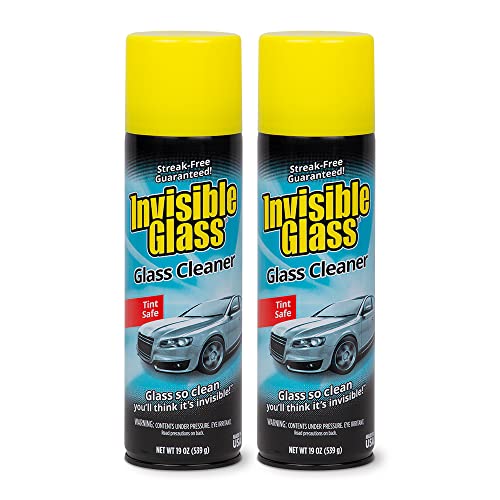
- Marine glass cleaner for boat windshield spray
- Squeegee for boat windshield cleaning
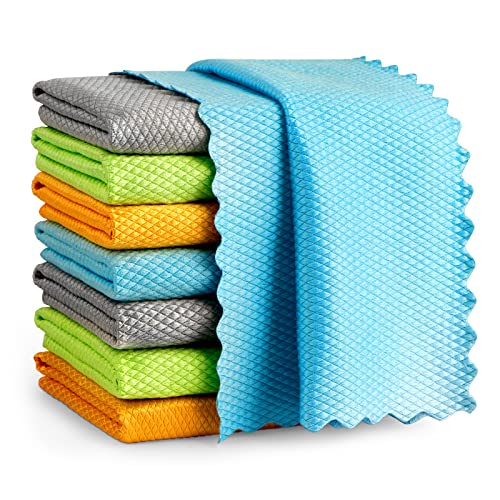
- Microfiber cloth for boat windshield
- Boat windshield polishing kit with non-abrasive pad
- Streak-free boat glass cleaner spray

Before You Start
Before cleaning, inspect the windshield for chips or cracks. Clean in moderate shade to prevent rapid drying, which can leave streaks. Test cleaners on a small inconspicuous area first to ensure no discoloration. If the windshield is heavily salted, rinse with fresh water first to remove loose salt crystals. Avoid abrasive pads or strong solvents, which can scratch or haze the glass. Time estimate: 15–30 minutes for standard cleaning, longer for severe buildup.
Step-By-Step: How To Clean A Boat Windshield
- Rinse the windshield with fresh water to remove loose salt and debris.
- Apply a light mist of streak-free boat glass cleaner spray across the surface.
- Use a soft squeegee for boat windshield cleaning to lift the top layer of grime, working from the center outward.
- Wipe the blade edge with a microfiber cloth to remove accumulated solution and particles.
- Spray again and wipe with a microfiber cloth in a circular motion to address stubborn spots.
- For persistent deposits, use the boat windshield polishing kit with non-abrasive pad in small, circular motions.
- Inspect for remaining streaks or haze; re-clean any areas as needed.
- Dry the windshield with a clean, dry microfiber cloth to prevent water spots.
- Buff lightly with a dry microfiber to enhance clarity and reduce micro-scratches.
- Rinse once more with a light mist of cleaner and wipe dry if heavy rain is anticipated.
- Store cleaning tools in a dry area to prevent mildew and ensure readiness for next use.
- Regular maintenance after long trips or salt exposure keeps the windshield clearer longer.
Troubleshooting
| Symptom | Likely Cause | Fix | Prevention |
|---|---|---|---|
| Streaks after cleaning | Residual cleaner or hard water deposits | Re-clean with streak-free spray and microfiber cloth | Rinse with fresh water before applying cleaner |
| Cloudy or hazy windshield | Scratches or improper pad use | Switch to non-abrasive polishing pad and gentle pressure | Avoid metal or abrasive tools |
| Water spots | Air-drying with minerals | Dry thoroughly with microfiber after rinsing | Wipe promptly after exposure to rain or spray |
| Peeling or residue from cleaner | Wrong cleaner type for glass | Use marine glass cleaner specifically designed for boats | Read label and test first |
Common Mistakes
- Using household glass cleaners with ammonia or vinegar on tinted or coated glass
- Cleaning in direct sun, which causes rapid drying and streaking
- Rubbing vigorously with hard pads that scratch the surface
- Forgetting to dry the windshield completely, inviting water spots
- Neglecting regular maintenance after saltwater exposure
Tips For Best Results
- Clean in the shade and work in small sections to prevent streaking.
- Grip the squeegee at a slight angle to optimize water removal.
- Keep a dedicated microfiber cloth for glass-only tasks to avoid transferring dust from other surfaces.
- Apply a light coat of streak-free cleaner after heavy rain or sea spray to maintain clarity.
- Store cleaning supplies in a sealed container to prevent contamination and drying out.
- Consider a periodic polishing routine with a non-abrasive pad to maintain a glassy finish.
Call A Professional
Consult a professional if the windshield shows deep scratches, structural damage, or discoloration that fails to improve after standard cleaning. Seek immediate help for any cracks near mounting points or around the wipers, as these can compromise safety. If marine glass shows signs of delamination or coating failure, a pro can assess whether replacement is necessary.
FAQ
What is the best cleaner for a boat windshield?
A streak-free marine glass cleaner spray or a specialized boat windshield cleaner is recommended for best results.
Can I use a household squeegee on a boat windshield?
Yes, but choose a soft, wide-surface squeegee designed for glass to avoid scratches.
How often should I clean my boat windshield?
Clean after each trip in saltwater or after heavy spray, and perform a thorough cleaning monthly during boating season.
Why are there streaks after cleaning?
Streaks usually come from residue or improper drying; ensure complete drying with a microfiber cloth and use a streak-free formula.
Is polishing necessary for all windshields?
Not always, but a non-abrasive polishing pad can help remove minor haze and restore clarity on older glass.
What maintenance reduces buildup?
Rinse with fresh water after salt exposure, apply cleaner evenly, and dry promptly to minimize mineral deposits.
Are there special considerations for tinted windshields?
Use cleaners labeled safe for tinted glass and avoid solvents that can degrade tint films.
Buying Guide
When choosing products for boat windshield care, consider size, noise level, energy efficiency, controls, and placement in relation to the boat’s layout. For cleaning, prioritize streak-free performance and non-abrasive formulations. Think about storage space for tools and whether you clean primarily in open decks or more enclosed areas. Compare the following factors to find the best kit for your setup:
- Size and coverage: Larger spray bottles and wide-surface squeegees cover more area quickly on bigger windshields.
- Streak resistance: Look for a spray formulated to resist streaking even in direct sunlight.
- Non-abrasive polishing: A kit with a non-abrasive pad helps restore clarity without scratching.
- Tool compatibility: Ensure microfiber cloths, squeegee, and pad work well together.
- Application method: Some cleaners require wiping with the cloth after spraying; others are optimized for squeegee-first use.
- Durability and storage: Tools should withstand marine salt and sun exposure and store neatly in a cockpit locker.
For most vessels, a combination of a streak-free spray, a soft squeegee, a microfiber cloth, and a gentle polishing kit provides reliable results. If your windshield experiences frequent heavy salt spray, you may want to allocate extra time for maintenance or consider more frequent cleanings. Are you ready to keep every voyage under clear, glare-free visibility?