Cleaning berries properly helps remove surface pesticides, dirt, and tiny mold spores while preserving their delicate texture and flavor. Using baking soda, a common kitchen staple, can provide a gentle, effective clean without changing taste. This guide explains a practical method suitable for most berries and kitchen setups in the United States.
Quick Answer
Wash berries with a baking soda solution to remove residues and debris. Rinse thoroughly with clean water, then pat dry. For best results, use a dedicated cleaning setup and avoid soaking berries too long to prevent waterlogging.
What You’ll Need
Gather these tools and supplies before you begin. The items listed are designed to work well with berries and fit common US kitchens.
- produce wash brush for berries
- fine-mesh berry colander for washing
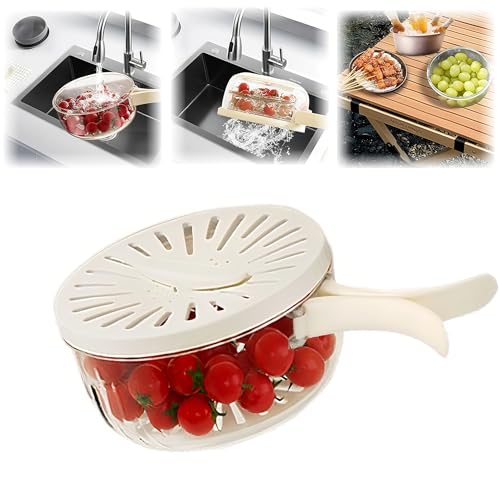
- produce cleaning bowl with built-in strainer
- stainless steel berry rinse basket
- silicone washing mat for berries


Before You Start
Before cleaning, sort berries and discard any berries that are moldy or overly soft. Use cold water when rinsing to avoid cooking or bruising delicate fruit. Mix a mild baking soda solution with water in a clean bowl or sink. Avoid using hot water or harsh cleaners, which can damage berries. Plan for a quick wash, typically under 2 minutes per batch, to protect texture and flavor.
Step-By-Step: How To Clean Berries With Baking Soda
- Prepare a cleaning basin: fill a bowl with cold water.
- Mix in a small amount of baking soda—about 1 teaspoon per quart of water.
- Place the berries in the solution gently, using a produce wash brush for berries to loosen debris without bruising.
- Let them soak briefly, about 30–60 seconds for most berries, then swirl softly.
- Transfer berries to a fine-mesh berry colander for washing and rinse under cold running water.
- For extra protection, use a produce cleaning bowl with built-in strainer to drain and rinse again.
- Shake off excess water and spread berries on a clean surface or a silicone washing mat for berries to dry.
- Gently pat dry with a clean towel, then refrigerate promptly if not consuming immediately.
- Inspect a few berries for any remaining residue and repeat if necessary, using fresh water.
- Store cleaned berries in a breathable container to maintain freshness.
- Discard the cleaning water after use to avoid cross-contamination.
- Rinse and dry all tools after use to keep them ready for next time.
Troubleshooting
| Symptom | Likely Cause | Fix | Prevention |
|---|---|---|---|
| Berry smells off after washing | Over-soaking or residual soap-like taste | Rinse thoroughly with cold water | Don’t oversoak; use brief dips |
| Berry skin still dusty | Insufficient agitation | Lightly scrub with a soft brush | Gently agitate during soak |
| Berry texture softened | Soaking too long or hot water | Reduce soak time; use cold water only | Monitor soak duration |
| Water appears cloudy | Excess baking soda in solution | Use less baking soda next time | Follow recommended ratios |
Common Mistakes
- Using hot water that can partially cook berries.
- Soaking too long, which softens delicate fruit.
- Overloading the cleaning vessel, reducing cleaning effectiveness.
- Reusing dirty water for subsequent batches.
- Neglecting to dry berries completely before storing.
Tips For Best Results
- Use cold water and a gentle brushing motion to minimize damage to berries.
- Keep batches small to ensure thorough cleaning and quick drying.
- Rinse all baking-soda contact surfaces, including brushes and colanders, to avoid residual taste.
- Dry berries completely before refrigeration to extend freshness.
- Use a dedicated cleaning setup to speed up the process and keep berries clean.
Call A Professional
If berries show signs of rapid mold growth or a persistent off-odor after cleaning, seek guidance from a food safety expert or your local extension service. Do not consume berries that appear spoiled or moldy, even after washing.
FAQ
Can baking soda damage delicate berries?
When used in small amounts and rinsed well, baking soda is gentle and effective for removing residues without harming most berries.
Is a scrub brush necessary for washing berries?
A soft brush can help loosen dirt, but it is optional. Gentle rinsing and minimal agitation often suffice for many berries.
How long should berries soak in baking soda solution?
A short soak of 30–60 seconds is typical for most berries to remove residues while preserving texture.
Should I dry berries before storing?
Yes, thoroughly drying berries helps prevent mold during storage. Spread on a clean mat or towel and air dry briefly.
Can I use other cleaners besides baking soda?
Plain water or a mild food-safe wash is fine. Baking soda is an affordable, effective option for residue removal.
What if I don’t have a fine-mesh colander?
Use a clean bowl with a slotted spoon to lift berries and rinse them in a drain-safe sink area.
Buying Guide
Choosing the right equipment for berry cleaning improves efficiency and freshness. Consider size, material, and ease of use. A fine-mesh berry colander for washing is essential for quick drainage, while a produce cleaning bowl with built-in strainer helps manage rinsing and drying in one unit. Look for durable, BPA-free plastics or stainless steel to ensure food safety. A stainless steel berry rinse basket offers sturdy support and allows air circulation for faster drying. If space is limited, a silicone washing mat for berries can double as a drying area and countertops stay cleaner. For gentle brushing, choose a soft-bristle produce wash brush for berries that won’t bruise delicate fruit. Consider dishwasher-safe options for convenience and repeated use. Finally, verify compatibility with your typical kitchen workflow so you won’t add steps to your routine.