Cleaning and preparing bass for a meal involves careful handling, proper filleting, and safe cleanup practices. This guide walks through a clear, step-by-step process to ensure the fish is ready to cook and enjoy while using common filleting tools.
Readers will find practical tips for selecting the right gear, timing, and technique to maximize yield and minimize waste. Whether the bass comes from a backyard catch or a market purchase, following these steps helps achieve consistently good results.
Quick Answer
Rinse the fish, scale if needed, gut, remove the backbone and fillet with a flexible knife, then trim and skin if desired. Keep tools sharp, work on a stable surface, and chill the fillets promptly for best texture.
What You’ll Need
- Bass fish fillet knife flexible 6 inch stainless steel
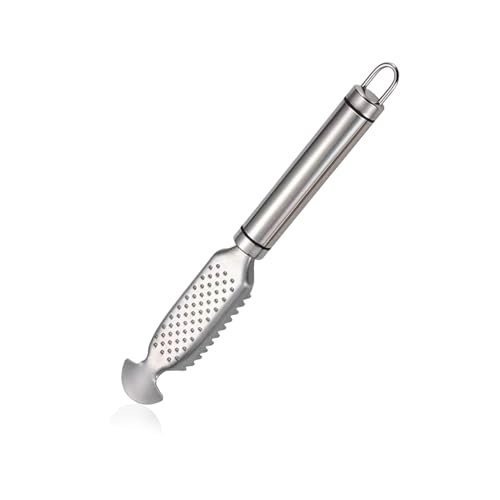
- Fish scaler stainless steel with teeth for scaling bass
- Boning knife flexible 6 inch for fish filleting
- Fish gutting pliers stainless steel seafood cleaning tool
- Fillet knife with sheath 8 inch for bass


Before You Start
Prepare a clean, cold workspace atop a sturdy cutting board. Keep water cold and running, and have a trash bin or bag handy. Avoid cross-contamination by using separate knives for raw fish and other foods. Time management is important—plan to complete the cleaning and filleting within an hour of catching or purchasing the bass.
Safety note: Use a sharp knife to reduce slips, work with gloved or dry hands, and keep fingers away from the blade. If the fish has a strong odor or signs of spoilage, do not proceed.
Step-By-Step: How To Clean Bass
- Rinse the bass under cold, clean water and pat dry with a paper towel.
- If scaling is needed, use the fish scaler stainless steel with teeth for scaling bass to remove scales from tail to head; rinse again.
- Place the bass on its side. Use the gutting pliers to remove the vent and internal organs through the body cavity with minimal mess.
- Rinse the cavity with cold water to clear any blood or debris, then blot dry.
- Make an incision along the belly from the anal opening to the gill area using the boning knife flexible 6 inch to lift out the spine and remove the entrails cleanly.
- Turn the fish skin-side down and use the fillet knife flexible 6 inch or 8 inch fillet knife with sheath to separate the fillet from the rib cage, starting near the head and working toward the tail.
- Flip to the other side and repeat the filleting process to obtain two clean bass fillets.
- Trim away any remaining bones with the boning knife, then skin the fillets if desired by placing the fillet skin-side down and slicing between flesh and skin at a shallow angle.
- Rinse fillets briefly, pat dry, and place on a clean surface or tray. Chill promptly or cook soon for best texture.
- Inspect for pin bones and remove any with tweezers if needed. Rinse one final time and pat dry before cooking.
- Store unused fillets in a sealed container or wrap tightly and refrigerate; freezing is possible for longer storage.
Troubleshooting
| Symptom | Likely Cause | Fix | Prevention |
|---|---|---|---|
| Fillets sticking to blade | Dull knife or insufficient angle | Sharpen knife; maintain a shallow angle | Keep knives sharp; use proper technique |
| Scales remaining after scaling | Incomplete scaling | Re-scan with firm, even strokes | Scale thoroughly at first pass |
| Fillets tearing | Poor knife control or overly cold fish | Use flexible knife and steady pressure | Let fish warm slightly before filleting |
| Unpleasant odor | Fish spoiling or improper cleaning | Discard spoiled portions; ensure clean workspace | Start with fresh bass; clean promptly |
Common Mistakes
- Using a dull knife that requires excessive force
- Scaling after filleting, which dulls fillets
- Leaving bones in the fillet due to rushed deboning
- Cross-contamination by mixing raw fish with other foods
Attention to knife sharpness, steady hands, and clean surfaces helps prevent these issues and improves yields.
Tips For Best Results
- Keep fillets cold during the process to maintain texture.
- Work with a sharp, flexible fillet knife for clean cuts.
- Use the right knife for each step: gutting pliers for entrails, boning knife for bones, and a longer fillet knife for large cuts.
- Rinse and pat dry between steps to reduce slime and improve handling.
- Trim away skin only if preferred for the final dish; some preparations benefit from skin-on fillets.
Call A Professional
Seek professional help if the bass is accidentally damaged due to a severe cut or if handling becomes unsafe. If the fish has signs of spoilage, persistent odor, or if there is any doubt about safety, consult a fish cleaning professional or local seafood supplier.
FAQ
How do I tell when bass is fresh?
Look for clear eyes, firm flesh, and a clean, briny smell.
Can I scale bass before gutting?
Yes, scaling can be done either before or after gutting depending on preference.
What is the best knife for filleting bass?
A flexible 6-inch fillet knife or an 8-inch fillet knife offers control and clean cuts.
Should I remove the skin?
It depends on the recipe; skin-on fillets remain suitable for certain preparations, while skinless fillets cook evenly for others.
How long can cleaned bass fillets be refrigerated?
Fresh fillets stay best within 1–2 days when properly refrigerated.
Is it safe to freeze bass fillets?
Yes, wrapped tightly, bass fillets freeze well for longer storage.
What if bones remain after filleting?
Use tweezers to remove pin bones and re-check the fillet edges.
Buying Guide
When choosing gear for cleaning bass, consider size, comfort, and materials. A flexible 6-inch fillet knife is ideal for yielding clean fillets, while an 8-inch option provides leverage for larger bass. Stainless steel blades resist corrosion and maintain sharpness with proper care. A dedicated fish scaler is helpful for removing scales without tearing the flesh, and a quality boning knife aids in precise deboning. For gutting and initial cleaning, sturdy pliers designed for seafood reduce mess and improve efficiency. Always pair tools with a stable, non-slip cutting surface and a proper sheath or blade cover for safe storage.
Think about how you typically fish or purchase bass. If you process larger fish often, a longer fillet knife and a robust scaler may suit your routine better. For casual cooks, a compact set with essential blades plus a gutting tool offers sufficient versatility.
Other buying considerations include grip comfort, weight, maintenance requirements, and compatibility with your kitchen setup. If space is limited, evaluate multi-tool options that cover filleting, deboning, and scaling in a compact design. Finally, consider set availability from reputable brands to ensure spare parts and blades are readily accessible.