Burnt-on residues can cling stubbornly to woks, especially after high-heat stir-fries. Proper cleaning preserves seasoning, extends the wok’s life, and keeps your meals tasting fresh. This guide focuses on practical, American-friendly methods using common tools and safe techniques.
Whether your wok is stainless steel, carbon steel, or nonstick, the right approach minimizes damage and prevents lingering odors. Read on for a straightforward process that tackles burnt food without scratching or harsh chemicals.
Quick Answer
For quick results, soak the wok in warm water with a mild dish soap, then use a non-scratch scrub pad or silicone bristle brush to lift burnt bits. If stubborn spots remain, a pumice stone for burnt-on residue or a wok scraper with a wooden handle can help without harming the surface. Finish with a thorough rinse and gentle dry to protect the seasoning.
What You’ll Need
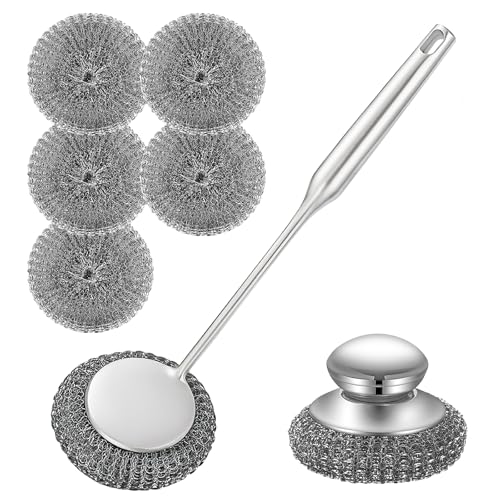
- Stainless steel wok cleaner scrub brush long-handled
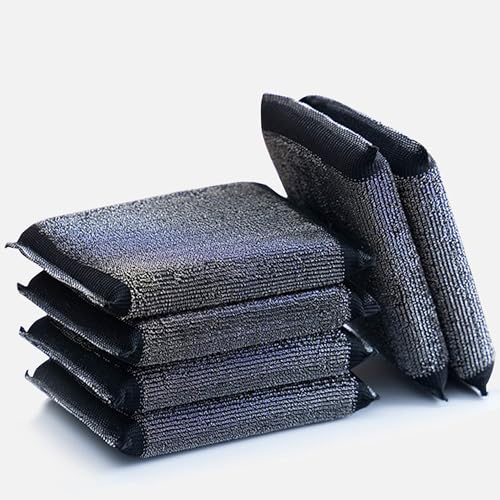
- Non-scratch scrub pad for carbon steel wok
- Wok scraper with wooden handle
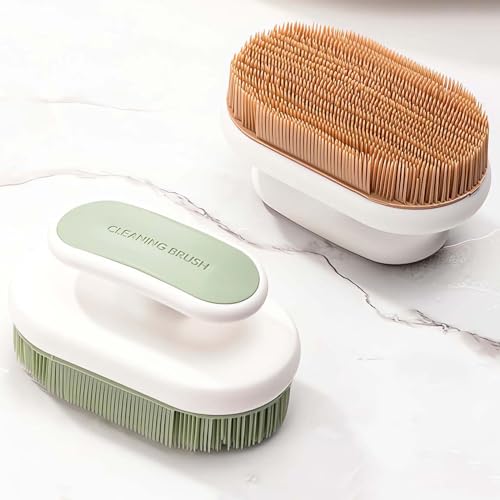
- Silicone bristle wok cleaning brush
- Pumice stone for burnt-on wok residue
Before You Start
Before cleaning, allow the wok to cool completely to avoid burns. Avoid plunging a hot wok into cold water, which can warp metal. Work in a well-ventilated area if you’ll use any cleaners with odors. For safety, wear gloves and eye protection if splashing hot water and keep cloths handy for quick spills.
Time estimate: 10–25 minutes depending on how burnt the food is. For carbon steel and cast iron, proper drying and re-seasoning after cleaning is essential to maintain nonstick-like properties and prevent rust.
Step-By-Step: How To Clean A Wok With Burnt Food
- Cool the wok to room temperature, then remove loose debris with a soft brush or spatula.
- Rinse with warm water to loosen burnt bits; avoid using boiling water on delicate coatings.
- Fill the wok with warm, soapy water and let it soak for 5–15 minutes to soften burnt residues.
- Gently scrub with a silicone bristle wok cleaning brush or non-scratch scrub pad to lift surface grime without scratching.
- For stubborn spots, use a pumice stone for burnt-on wok residue with light, circular pressure—never in one spot for too long.
- Apply a light amount of dish soap and scrub around the edges and corners where food tends to stick.
- If the wok has a wooden handle, use a wok scraper with wooden handle to carefully scrape without splintering the wood.
- Rinse thoroughly with warm water to remove all soap and loosened residue.
- Dry the wok completely with a towel, then place it on low heat for a few minutes to evaporate any remaining moisture.
- Lightly oil the interior with a neutral oil and wipe away excess to prevent rust and maintain seasoning on carbon steel or cast iron.
- Store in a dry area; avoid stacking heavy items inside which can chip coatings or disturb seasoning.
Troubleshooting
| Symptom | Likely Cause | Fix | Prevention |
|---|---|---|---|
| Persistent burnt smell after cleaning | Residual burnt oils | Repeat soaking and scrubbing; use pumice sparingly | Preheat with oil and avoid leaving food to scorch |
| Scratches appearing on surface | Using abrasive tools on sensitive coatings | Switch to non-scratch pads and silicone brushes | Choose the correct tool for your wok type |
| Rust spots on carbon steel | Inadequate drying or seasoning | Dry thoroughly and re-season promptly | Dry completely after washing |
| Wooden handle looseness | Water exposure or wear | Inspect and tighten; avoid soaking the handle | Careful handling and proper drying |
Common Mistakes
- Using metal scrubbers on nonstick or lightly seasoned surfaces
- Soaking too long, which can strip seasoning or promote rust
- Rushing the drying process, leaving moisture that leads to corrosion
- Overheating after cleaning, which can bake in residues
To prevent these, follow the step-by-step method and select tools appropriate to your wok’s material. Gentle scrubbing and thorough drying are the best practices for long-lasting results.
Tips For Best Results
- Develop a routine: clean while warm to avoid hard-to-remove residue.
- Choose the right tool: stainless steel wok cleaner scrub brush long-handled for stainless, non-scratch scrub pad for carbon steel wok for carbon steel, and a wok scraper with wooden handle for stubborn sections.
- For tough burnt-on food, use a pumice stone for burnt-on wok residue sparingly and with plenty of water lubrication.
- Re-season after washing: a thin oil layer protects the surface and enhances nonstick behavior on carbon steel.
- Avoid harsh chemical cleaners that can strip protective seasoning or coatings.
Call A Professional
Consider professional help if the wok shows deep pitting, extensive rust that won’t respond to treatment, or if the handle becomes loose or damaged. Prompt maintenance is essential to prevent safety hazards and maintain cooking performance.
FAQ
Can I use soap on a carbon steel wok?
Yes, a mild dish soap is acceptable during cleaning, especially after cooking. Rinse well and re-season to restore the protective layer.
Is it safe to use a pumice stone on stainless steel?
No. A pumice stone can scratch stainless steel. Use it only on carbon steel or cast iron when appropriate and with caution.
How often should I re-season a carbon steel wok?
Re-season after each thorough cleaning or whenever the surface appears dull or rusty, typically a few times per week with regular use.
What’s the best oil for seasoning?
A high-smoke-point oil like canola, grapeseed, or peanut oil is recommended for seasoning carbon steel woks.
Can I store a wet wok?
No. Always dry completely to prevent rust and mold growth. Wipe dry and air-dry before storing.
Buying Guide
When choosing a wok and cleaning setup, consider size, material, noise level of cleaners, and compatibility with your kitchen workflow. A larger wok may require more cleaning effort, but it accommodates bigger meals. For frequent cleaning, a stainless steel wok cleaner scrub brush long-handled provides reach without risk to the surface, while a silicone bristle wok cleaning brush offers gentle action for delicate coatings. A pumice stone for burnt-on wok residue is a useful tool for stubborn spots on carbon steel and cast iron.
Noise level matters for late-evening cooking or shared spaces; look for non-scratch pads and nylon brushes designed to minimize spray and clatter. Energy efficiency isn’t a direct cleaning factor, but a quick soak and minimal hot-water use saves time and water. Placement matters too: keep cleaners within arm’s reach of the stove for convenient post-cook cleanup.
Different woks require different care. Stainless steel responds well to a brush and soap, while carbon steel benefits from a gentle scrub followed by immediate drying and re-seasoning. If you own a nonstick wok, avoid metal scrapers and opt for non-abrasive tools to preserve the coating. Consider a kit that includes a wooden-handled scraper for the most aggressive residues without scratching.
Ultimately, the right cleaning routine balances effective removal of burnt food with preservation of the wok’s seasoning and longevity. With the proper tools and techniques, restoring a burnt wok to ready-to-cook condition becomes a predictable, routine task.