Keeping a kegerator clean is essential for taste, beer clarity, and system longevity. Regular maintenance prevents off-flavors and reduces foaming. This guide walks through practical steps, using common beer line tools and sanitizers to ensure taps stay hygienic and reliable.
Quick Answer
Clean your kegerator lines every two weeks or after serving particularly dirty batches. Use a dedicated beer line brush and a cleaning kit to scrub the lines, taps, and dip tubes, followed by sanitizing with Star San. Rinse thoroughly and reassemble before serving.
What You’ll Need
- kegerator cleaning kit beer line brush
- beer line cleaning kit 3/16 inch tubing
- keg coupler cleaning brush
- kegerator dip tube brush
- Star San sanitizer 64 oz for kegerator


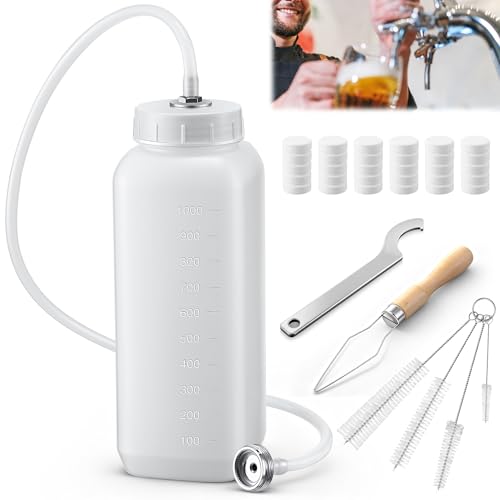
Before You Start
Prepare a clean workspace and remove kegs if needed. Disconnect power and depressurize the system before disassembly. Wear gloves and eye protection when handling cleaning solutions. Set aside old beer lines if they show signs of wear. Allow extra time for thorough rinsing to prevent sanitizer residues from affecting beer taste.
Step-By-Step: How To Clean A Kegerator
- Shut off power and disconnect gas, then vent pressure from the keg and lines.
- Disassemble the dispensing hardware, including faucets, couplers, and any removable lines.
- Use the kegerator dip tube brush to scrub the internal dip tubes until clean.
- Run the beer line cleaning kit 3/16 inch tubing through all beer lines with a cleaning solution to remove buildup.
- Scrub the taps with the keg coupler cleaning brush to remove酒 residues and microbial growth.
- Rinse all components with clean water, then apply Star San sanitizer 64 oz for kegerator according to label directions.
- Reassemble components, reconnect gas and power, and prime the system with a small amount of clean beer or water to flush.
- Inspect for leaks and ensure the lines are free of foam overshoot before serving.
Troubleshooting
| Symptom | Likely Cause | Fix | Prevention |
|---|---|---|---|
| Excessive foaming | Dirty lines or improper cleaning | Thoroughly clean lines and faucets; re-seal connections | Schedule biweekly cleanings |
| Flat or off-taste beer | Residual sanitizer or stale lines | Rinse until no sanitizer taste; replace old lines | Rinse and sanitize properly after cleaning |
| Slow dispensing | Clogged lines or dip tubes | Brush lines, dip tubes; check for kinks | Inspect lines regularly |
| Leaking connections | Loose fittings | Tighten fittings; replace damaged seals | Regularly inspect hardware |
Common Mistakes
- Using household cleaners not approved for beer systems; residues affect flavor
- Rinsing insufficiently after sanitizer, leaving off-tastes
- Skipping the dip tube brush, which can harbor buildup
- Neglecting routine cleaning after long or hot sessions
Tips For Best Results
- Label cleaning days on the calendar to maintain a consistent schedule
- Run clean water through lines before and after sanitizer to ensure full rinse
- Keep spare brushes and tubing on hand for quick maintenance
- Document cleaning steps and any parts replaced for future reference
Call A Professional
Contact a professional if you notice persistent leaks, persistent off-flavors after thorough cleaning, or if the system develops electrical or gas issues. Do not attempt repairs beyond your skill level, especially gas connections or pressurized components.
FAQ
How often should I clean a kegerator?
Aim for every two weeks, or more often if the keg lineup changes frequently or you notice foaming and off-flavors.
Can I use regular dish soap to clean lines?
No. Use dedicated beer line cleaners and sanitizers designed for kegerator systems to avoid residue and flavor contamination.
Is Star San safe on all parts of a kegerator?
Star San is a chlorine-based sanitizer suitable for most surfaces, but follow the label instructions and avoid sensitive electrical components.
What maintenance should I perform after cleaning?
Rinse all components thoroughly, dry them, and reassemble before re-servicing. Sanitize, then flush with a small amount of water or beer.
Should I replace lines after cleaning?
Replace lines if they show signs of wear, cracking, or persistent contamination despite cleaning.
Do I need to sanitize the beer lines before serving again?
Yes. Sanitize between sessions to prevent bacterial growth and ensure clean tastes on the next pour.
Are there signs of a failing keg coupler?
Unusual leaks, erratic dispensing, or erratic pressure may indicate a failing coupler; consider testing or replacement.
Buying Guide
When choosing cleaning components for a kegerator, consider how often you brew or serve, line lengths, and tubing diameters. Look for a kegerator cleaning kit beer line brush and beer line cleaning kit 3/16 inch tubing to fit standard systems. A dedicated keg coupler cleaning brush helps maintain the coupler, while a kegerator dip tube brush ensures internal cleanliness. Pair these with a proven sanitizer like Star San sanitizer 64 oz for kegerator for reliable results. Choose brushes with durable handles and replaceable heads to extend the kit’s life. Consider a compact kit for smaller setups or a larger, multi-tube kit for commercial-scale draft systems. Ensure brushes fit your line size and that components are BPA-free and food-safe. Finally, check compatibility with your kegerator model and faucet type to maximize effectiveness and ease of use.