Maintaining a home fountain involves routine cleaning to preserve water clarity, protect pump life, and keep the flow smooth. This guide provides a practical, step-by-step approach using commonly available tools and safe practices for American households.
Quick Answer
Regular cleaning with a fountain brush set, a dedicated fountain pump cleaning kit, and a siphon hose for water changes keeps most issues at bay. For stubborn mineral buildup, an ultrasonic cleaner can help, followed by algae-removal brushes to restore sparkle.
What You’ll Need
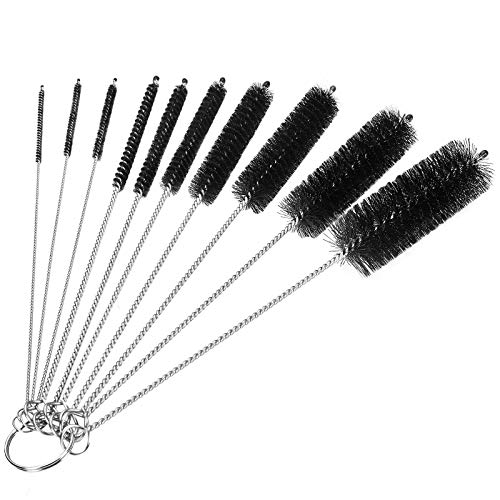
- fountain cleaning brush set nylon bristle
- fountain pump cleaning kit
- fountain maintenance siphon hose
- ultrasonic cleaner for fountain parts
- algae remover fountain brush head
- Protective gloves and safety glasses
- Soft cloths or microfiber towels


Before You Start
Plan a cleaning window of 30 to 60 minutes. Empty and disconnect the fountain from power before handling any components. Use gloves to protect hands from cleaning solutions and sharp edges. Inspect the pump for wear and replace worn parts as needed. Clear the basin of debris and remove decorative elements if safe to do so. If the fountain contains fish or plants, follow species-safe guidelines for water changes and additives.
Step-By-Step: How To Clean A Fountain
- Power down and unplug the fountain, then drain the basin using the fountain maintenance siphon hose for a controlled water removal.
- Remove the pump and filter housing if accessible, and detach any tubing according to the manufacturer’s instructions.
- Gently scrub visible algae and mineral deposits with the algae remover fountain brush head and the fountain cleaning brush set nylon bristle, focusing on corners and under rocks or ornaments.
- Rinse metal or ceramic surfaces with clean water, then soak removable parts in a mild cleaner solution as recommended by the pump kit or manufacturer.
- For stubborn buildup, place the affected parts in the ultrasonic cleaner for fountain parts for a short cycle, following the device’s safety guidelines.
- Reassemble the pump, filter, and tubing. Refill the basin with clean water and reinsert any decorative elements.
- Restart the fountain and observe the water flow. If flow is inconsistent, check for air pockets in the pump and re-prime as needed.
- Test the water quality and adjust as necessary. Add a fountain-safe water conditioner if recommended for your setup.
- Return the fountain to service and monitor for at least 24 hours, noting any pattern of debris or cloudiness that may indicate ongoing issues.
- Schedule routine maintenance every 2–4 weeks for small fountains or monthly for larger setups to prevent major cleanings.
- Keep a cleaning log to track when brushes, hoses, or parts were last replaced or serviced.
Troubleshooting
| Symptom | Likely Cause | Fix | Prevention |
|---|---|---|---|
| Weak or uneven water flow | Air pockets or clogged intake | Prime the pump; remove blockages in tubing and filter | Regularly clean intake and keep debris out |
| Fountain water smells or looks cloudy | Algae growth or organic buildup | Clean with algae remover brush head; consider partial water change | Schedule monthly cleanings and use a fountain-safe clarifier |
| Damaged pump or noisy operation | Worn seals or impeller jam | Inspect and replace worn parts via fountain pump cleaning kit | Handle gently during maintenance; use proper replacement parts |
| Persistent lime scale | Hard water mineral buildup | Soak components in a mild descaler; use ultrasonic cleaning | Use distilled water when possible; wipe surfaces after run |
Common Mistakes
- Using harsh chemicals that can harm fish or damage finishes
- Forgetting to unplug the unit before disassembly
- Neglecting routine maintenance, leading to recurring buildup
- Overlooking tubing kinks that restrict flow
- Relying on a single cleaning method without addressing algae or mineral deposits
Tips For Best Results
- Schedule a regular calendar reminder for cleaning to avoid buildup.
- Rotate cleaning tasks between the brush set and the algae remover brush head for thorough coverage.
- Use the ultrasonic cleaner for intricate fountain parts to reach hidden crevices.
- Keep spare o-rings and replacement filters on hand to minimize downtime.
- Test water chemistry and adjust with safe conditioners as needed to maintain clarity and health.
Call A Professional
Consider a professional if the pump or motor shows signs of internal wear, if persistent leaks occur, or if the fountain has features that require specialized calibration. Stop and seek assistance if there is any risk of electrical exposure, persistent leaks, or if the fountain operates outside the manufacturer’s guidelines.
FAQ
How often should I clean a fountain?
Most small indoor fountains benefit from a biweekly quick clean and a deeper monthly refresh. Larger setups may require monthly full cleanings with more frequent filter checks.
Can I use household cleaners to clean a fountain?
Avoid household cleaners that could leave residues or harm pets. Use fountain-safe cleaning solutions and rinse thoroughly.
What should I do if the water turns green?
Green water usually indicates algae growth. Increase cleaning frequency, scrub with an algae remover brush head, and consider a mild algaecide approved for fountains.
Is it safe to run an ultrasonic cleaner on fountain parts?
Yes, but follow the manufacturer’s instructions for temperature limits, duration, and compatibility with the parts being cleaned.
What maintenance should I perform after a water change?
Reassemble components, prime the pump, and monitor flow for signs of air pockets. Refill to the proper water level and run briefly to clear lines.
Should I use distilled water in my fountain?
Distilled water reduces mineral buildup, but it may not be necessary for all setups. If you live in a hard-water area, distilled water can help prevent scale between cleanings.
Buying Guide
Choosing the right cleaning tools and maintenance gear for a fountain depends on size, usage, and water quality. Consider the following factors to optimize maintenance and performance.
- <bSize and layout: Smaller desktop fountains need compact brushes, while larger ponds benefit from longer siphon hoses and more robust scrub brushes.
- <bNoise and energy: Look for pumps with quiet operation and energy-efficient ratings to minimize disruption and costs.
- <bWater quality and chemistry: If your water is hard, plan for descalers and routine mineral control to prevent buildup.
- <bControls and accessibility: Accessible pump housings and simple cleaning access save time during maintenance.
- <bPlacement considerations: Indoor fountains benefit from splash-proof basins and stable surfaces; outdoor installations may require weatherproof components.
- <bCompatibility and replacement parts: Ensure cleaning kits, brush heads, and pumps are compatible with your fountain model.
- <bMaintenance frequency: Establish a routine that matches the fountain’s size and usage to balance effort and results.
With the right tools—the fountain cleaning brush set nylon bristle, the fountain pump cleaning kit, and the fountain maintenance siphon hose—owners can keep water clear, pumps functioning, and features shining. Would you like help selecting a kit that matches your fountain’s size and type?