A
Dishwashers can clog from food buildup, grease, and mineral deposits. This guide provides a practical, step-by-step approach to clear clogs, restore drainage, and keep your appliance running smoothly.
Quick Answer
Quick fix: start with a dishwasher clog remover kit or a flexible drain snake for dishwasher to dislodge hard blockage. If the spray arms or filters are blocked, clean them with a dishwasher spray arm cleaning brush and a dishwasher filter cleaning brush. For persistent issues, inspect the drain hose and consider a replacement kit.
What You’ll Need
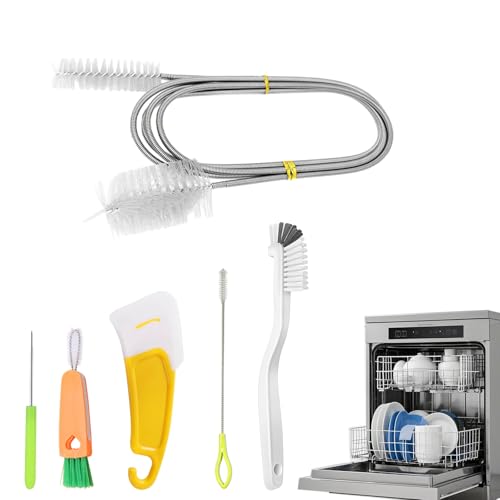
- Dishwasher clog remover kit
- Flexible drain snake for dishwasher
- Dishwasher spray arm cleaning brush
- Dishwasher filter cleaning brush
- Dishwasher drain hose replacement kit


Before You Start
Turn off and unplug the dishwasher or switch off the circuit breaker before starting. Remove the bottom rack to access the drain and filter area. Have a towel or shallow tray ready to catch water. Safety note: avoid using sharp tools that could damage hoses or seals. Time estimate: 30–60 minutes for a typical clog repair.
Step-By-Step: How To Clean A Clogged Dishwasher
- Check the drain hose for kinks or clogs by disconnecting it from the sink or disposal side and flushing with water.
- Remove and clean the drain filter with the dishwasher filter cleaning brush to remove trapped debris.
- Inspect the spray arms and use the dishwasher spray arm cleaning brush to clear any blocked holes.
- Use the flexible drain snake for dishwasher to loosen buildup inside the drain line or trap. Gently rotate and pull out.
- Reassemble the drainage components and run a short hot cycle with an empty dishwasher to test drainage.
- If drainage remains sluggish, repeat cleaning of the filter and spray arms, then run a second hot cycle with a cleaning agent suitable for dishwashers.
- Inspect for standing water after the cycle, and check the air gap or disposer connection if needed.
- Consider replacing the dishwasher drain hose replacement kit if the hose shows wear, cracks, or persistent leaks.
- Run a full cycle with dishes to confirm improved drainage and performance.
- Schedule regular maintenance: clean filters monthly and inspect hoses annually to prevent future clogs.
Troubleshooting
| Symptom | Likely Cause | Fix | Prevention |
|---|---|---|---|
| Water standing in bottom | Clogged drain or filter | Clean filter; check drain hose; run cleaning cycle | Clean filters weekly; avoid large food scraps |
| Water drains slowly | Partial blockage in hose or pump | Use drain snake and inspect hose | Rinse with hot water after main wash |
| Unusual noises during drain | Debris caught in pump or spray arm | Remove debris with brush and snake | Remove food scraps before loading |
| leaks around door | Worn door seal or hose connection | Inspect seals; tighten or replace | Check connections after maintenance |
Common Mistakes
- Using metal tools that can puncture hoses or seals
- Rushing the drain hose inspection without disconnecting power
- Neglecting regular filter cleaning, leading to repeated clogs
- Using excessive force on the spray arms, risking damage
Tips For Best Results
- Run hot water before starting a cleaning cycle to loosen greasy buildup.
- Clean the filter monthly to maintain optimal drainage and washing results.
- Schedule preventive checks of hoses and clamps to prevent leaks.
- Use the dishwasher clog remover kit only as directed and avoid chemical overload.
Call A Professional
Seek professional help if:
- The dishwasher still fails to drain after repeated cleaning and hose replacement.
- There are multiple leaks or visible damage to hoses or the pump.
- Electrical safety concerns arise, such as buzzing sounds or outlets near the unit showing signs of moisture.
FAQ
What causes a dishwasher to clog?
Common causes include food debris, fatty buildup, and mineral deposits that accumulate in the filter, drain, or hose.
Can I use a drain snake in a dishwasher?
Yes, a flexible drain snake designed for dishwashers helps clear blockages in the drain line.
How often should I clean the dishwasher filter?
Inspect and clean the filter monthly to prevent clogs and improve performance.
Is it safe to replace the drain hose myself?
Yes, replacing a worn drain hose is a straightforward DIY task if you follow manufacturer instructions and shut off power.
Buying Guide
When choosing tools to prevent and fix dishwasher clogs, consider size and compatibility with your model, ease of use, and durability. The right kit should include components for common problems: a dishwater clog remover kit for quick clears, a flexible drain snake for stubborn blockages, brushes for spray arms and filters, and a drain hose replacement kit for leaks. Look for rust- and corrosion-resistant materials, and ensure parts come with clear installation guides. For households with hard water, consider components designed to resist mineral buildup. Storage space and tool organization also influence long-term maintenance success.
Key factors include:
- <bSize and fit: Ensure replacement hoses and components fit your dishwasher model.
- <bNoise and energy considerations: While not directly impacted by cleaning tools, a well-maintained unit operates more quietly and efficiently.
- <bControls and compatibility: Check that any replacement parts are compatible with your appliance’s controls and drainage setup.
- <bPlacement and accessibility: Plan a workspace area with ample lighting and room to maneuver tools.
- <bMaintenance routine: Regular filter cleaning and hose checks reduce the need for aggressive cleaning sessions.
As you select tools, consider how often you expect to tackle clogs. A compact clog-removal kit plus a flexible drain snake covers most common scenarios, while a drain hose replacement kit offers long-term assurance against leaks.