Choosing a wood burning stove with a built-in blower can improve heat distribution and comfort in living spaces. This guide highlights five highly regarded models, focusing on BTU output, coverage area, blower capability, and installation flexibility. Each option balances traditional aesthetics with modern efficiency, helping American homeowners maximize warmth while managing fuel use and space needs.
| Product | Brand | BTU / Heat Output | Coverage (approx.) | Key Feature |
|---|---|---|---|---|
| Buck Stove Model 21 | Buck | 28,901 BTU | 1,800 sq ft | Heat activated blower; customizable trim kit |
| Ashley Hearth AW3200E-P | Ashley Hearth | Up to 152,000 BTU capacity | Up to 3,200 sq ft | Heavy gauge steel; long-lasting lining; logs up to 22″ |
| Buck Stove Model 91 | Buck | 62,745 BTU | Up to 3,200 sq ft | Catalytic design; trim kit options |
| US Stove Cast Iron Wood Stove | US Stove | Up to 54,000 BTU | 900 sq ft+ | Cool touch safety handle; large log capacity |
| Comfortbilt HP22i Pellet Stove | Comfortbilt | EPA certified; programmable | Up to 2,800 sq ft | High efficiency; automatic heat settings |
Buck Stove Fireplace Insert Model 21

The Buck Model 21 delivers up to 28,901 BTUs, providing robust warmth for small to medium spaces. A heat activated blower helps push warm air, improving room comfort without expanding the footprint. The trim kit option allows customization for a clean finish around the insert, concealing gaps and matching a variety of décor styles. The door color can be customized to Black, Pewter, or Gold, adding flexibility for traditional aesthetics while maintaining performance.
Ashley Hearth AW3200E-P Wood Stove With Blower
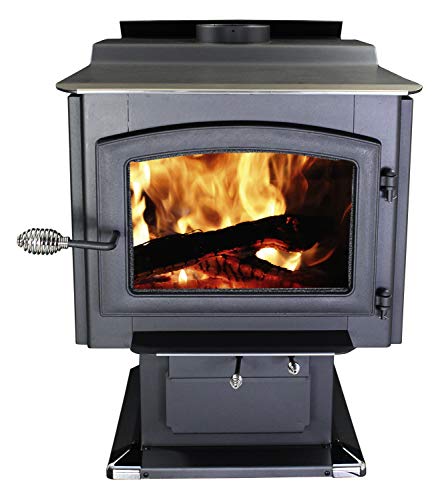
The AW3200E-P is a pedestal wood stove designed for larger spaces, rated to heat up to about 3,200 square feet with a substantial BTU range. Built with heavy-gauge plate steel and firebrick lining, it prioritizes long life and efficient combustion. It accepts logs up to 18″ to 22″ and can hold substantial fuel for extended burn times. A blower helps distribute heat more evenly across rooms, while the pedestal setup elevates the unit for easy maintenance and a stately appearance.
Buck Stove Fireplace Insert Model 91 (Catalytic)

The Buck Model 91 catalytic insert delivers up to 62,745 BTUs and can heat larger spaces efficiently. As a catalytic design, it emphasizes sustained heat output and a large viewing area, with a trim kit that supports a tailored fit for various room dimensions. The unit supports customization of door and window colors (Black, Pewter, or Gold) to match interior design while maintaining a strong heat output for demanding spaces.
Buck Stove Fireplace Insert Model 91 (Pewter Door)
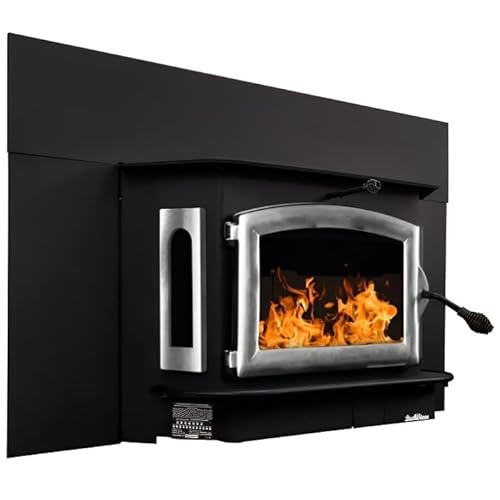
This variant of Buck’s Model 91 keeps the same high heat performance with different aesthetic options. The catalytic design remains capable of heating large spaces, supported by a large viewing area and a trim kit that helps conceal gaps for a seamless installation. Door color options include Black, Pewter, or Gold to suit a range of interior styles.
US Stove Cast Iron Wood Stove

The US Stove Cast Iron Wood Stove combines a classic cast iron body with a cool touch safety handle for user-friendly operation. It can reach temperatures up to 54,000 BTUs and heat roughly 900 square feet, making it suitable for mid-sized spaces. Its design accommodates logs up to 19 inches long, reducing the need for frequent log cutting while delivering steady warmth and a traditional look.
Comfortbilt HP22i Pellet Stove

The Comfortbilt HP22i is a pellet stove designed for high efficiency and programmable control, capable of heating up to 2,800 square feet. It uses a hopper with substantial capacity and EPA certification, offering a convenient heat management option for users who prefer pellets. This model emphasizes automation and consistent temperature maintenance with programmable settings, complementing blower-assisted heat distribution for even room warmth.
Buying Guide: Key Purchase Considerations
- Room size and BTU needs: Match the stove’s BTU rating to your space. Larger rooms usually require higher BTU outputs, while smaller rooms benefit from efficient, smaller units.
- Catalytic vs. non-catalytic: Catalytic stoves often provide longer, more even heat at the cost of more maintenance. Non-catalytic designs can be simpler to operate and quick to heat.
- Blower capability: A built-in blower improves air distribution. Check noise level specifications if quiet operation is important in living or sleeping areas.
- Ventilation and installation: Ensure proper venting clearance, hearth protection, and any required trim or framing kits to achieve a clean finish.
- Fuel type and efficiency: Wood vs. pellet options affect availability, maintenance, and efficiency. Look for EPA certifications and programmable controls for better efficiency.
- Construction and durability: Steel, cast iron, and firebrick linings influence longevity and heat retention. Consider door and window finishes for style compatibility.
- Maintenance and warranty: Check for service support, replacement parts, and warranty coverage to protect the investment over time.