Choosing waiting room seating for healthcare settings requires balancing comfort, durability, accessibility, and easy maintenance. The following selected chairs are designed to handle high-traffic environments while supporting a wide range of body types and ensuring a professional appearance. Below you’ll find five analyzed options, each with distinctive strengths in materials, construction, and design. A quick summary table helps compare key attributes at a glance.
| Product | Brand | Key Feature | Image |
|---|---|---|---|
| OLIXIS Waiting Room Chairs Set of 4 | OLIXIS | Sturdy metal frame, stain-resistant PU leather, padded arms |  |
| Lenox/Lesro Reception Chair | Lesro | Steel frame, upholstered seat and back, easy-clean materials |  |
| Lenox Wood Reception Chair | Lesro | Walnut wood frame, blue polyurethane upholstery, easy maintenance |  |
| OLIXIS Waiting Room Chairs Set of 8 | OLIXIS | Similar design with larger set, durable leather look, padded arms | 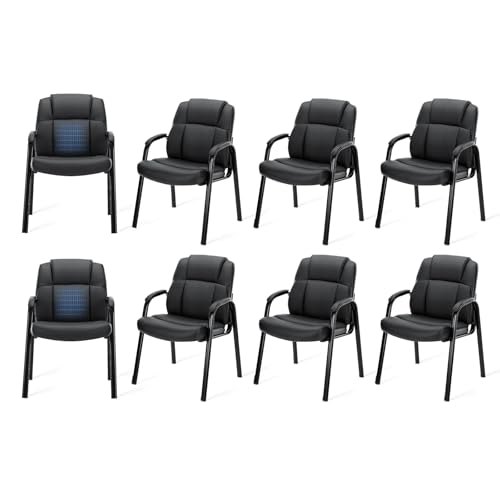 |
| Bush Bariatric Waiting Room Chair | Bush Furniture | Heavy-duty vinyl, 450 lb weight capacity, durable metal legs | 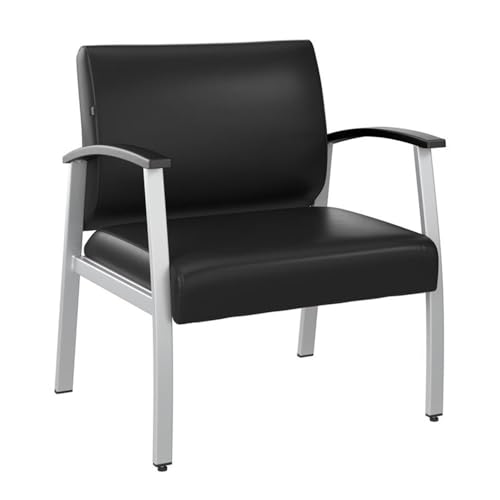 |
OLIXIS Waiting Room Chairs Set of 4
The OLIXIS set emphasizes comfort with a large backrest and generous seat cushion. The ergonomic backrest measures 20.42 inches high by 20.87 inches wide, while the cushion spans 18.5 inches deep by 20.87 inches wide, supporting a wide range of body shapes. A padded armrest adds extra support for users who sit for longer periods, making this option well-suited for medical clinics and conference areas. The high-density foam cushions stay comfortable over time without significant deformation.
Durability is a priority. The chair surface uses stain-resistant PU leather that’s easy to clean and waterproof, ideal for healthcare environments. The frame is metal with a plated finish, providing rust resistance and stability. In daily patient flow, these chairs can withstand frequent use while maintaining a clean appearance.
Material quality is reinforced by padding across the seat, backrest, and arms with non-deformable foam. Breathable leather-like upholstery supports comfort through sessions of varying length. Overall, this set balances comfort with easy maintenance and a professional look for waiting rooms, clinics, and lobby spaces.
Lenox/Lesro Steel Reception Chair
This Lesro chair emphasizes a steel frame and durable polyester upholstery with a TEFLON-coated designer fabric option. The combination yields a durable seating solution suitable for busy waiting areas. The upholstered seat and back provide a comfortable seating experience, with a design focus on easy maintenance and long-lasting aesthetics. The finish options include Black and adler peppercorn brown, enabling a choice that fits modern or traditional interiors.
The design aims for practical maintenance in healthcare settings. Steel construction provides robust support, while the polyester fabric offers resistance to wear and staining. The chair’s profile remains professional in appearance, aligning with waiting areas that require easy-to-clean, dependable seating for patients, visitors, and staff.
Lenox Wood Reception Chair
Featuring a walnut wood frame and Castillo batik blue polyurethane upholstery, this chair blends natural warmth with easy maintenance. The wood frame adds a classic touch to reception areas, while the blue upholstery offers a calm, professional color accent suitable for healthcare environments. The polyurethane surface is relatively simple to clean, helping facilities meet hygiene standards in high-traffic areas.
Designed for steady daily use, the chair offers a balanced combination of form and function. The wooden frame provides rigidity and longevity, while the easy-care upholstery helps operators maintain a clean, welcoming appearance for patients and visitors alike. This option suits waiting rooms seeking a traditional look with modern ease of upkeep.
OLIXIS Waiting Room Chairs Set of 8
This larger OLIXIS batch mirrors the 4-seat set in design and materials, offering the same ergonomic backrest and cushion dimensions. The set of eight is ideal for larger clinics or hospital lobbies where higher seating demand exists. The reinforced metal frame with plated finish ensures rust resistance and enduring stability. The same non-deformable high-density foam provides lasting comfort for extended waiting periods.
Stain-resistant PU leather surfaces simplify cleaning schedules in healthcare settings. The chairs’ padded arms add ergonomic support, and the overall look remains contemporary and professional. This option supports flexible room layouts, enabling quick rearrangements to fit different patient flows or event spaces within medical facilities.
Bush Bariatric Waiting Room Chair
The Bush Bariatric Chair is designed to handle higher weight capacities with durability in mind. Vinyl upholstery resists cuts and tears, helping preserve a professional look with less maintenance. Its sturdy metal legs and frame support up to 450 pounds, making it a suitable option for clinics or offices that require bariatric seating as part of their standard offerings. Levelers help compensate for uneven floors, enhancing stability and safety in busy reception areas.
For healthcare environments prioritizing accessibility and robustness, this chair provides a practical solution that pairs a clean, modern appearance with dependable performance. The chair’s upholstery and construction are chosen to withstand daily wear while maintaining a professional aesthetic appropriate for medical reception zones.
Buying Guide: Key Purchase Considerations
- Weight Capacity and Accessibility: Choose chairs that accommodate a broad range of users, including bariatric need. Look for sturdy frames and durable upholstery that maintain comfort and support over time.
- Materials and Maintenance: PU leather and vinyl surfaces are common in healthcare settings for their cleanability and resistance to stains. Consider chairs with easy-to-clean fabrics or finishes and minimal crevices where germs can hide.
- Comfort and Ergonomics: Evaluate backrest height, seat depth, and padding density. Ergonomic chairs with padded arms can reduce fatigue for patients and visitors during longer visits.
- Durability and Longevity: Metal frames and reinforced bases contribute to long-term performance in high-traffic areas. Rust resistance and quality foam help maintain appearance and comfort over time.
- Style and Cohesion: Seating should align with the clinic or hospital’s branding and interior design. Neutral tones with subtle color accents can create a calm environment.
- Maintenance Schedule: Plan for routine cleaning, stain treatment, and inspections for loose screws or wobbling legs to ensure ongoing safety and appearance.
- Flexibility and Configuration: Consider sets that support modular arrangements for varying room sizes and patient volumes. Stackable or easily movable options can improve space management.
- Budget and Scale: Weigh unit cost against expected lifespan. Larger sets may offer better per-seat value for busy facilities, but ensure the chairs chosen meet your specific space and usage needs.
In healthcare waiting areas, selecting chairs that balance comfort, durability, and easy maintenance is essential. The options above provide a range of materials, configurations, and capacities to accommodate different clinic sizes and patient demographics. When evaluating these chairs, prioritize those that offer robust construction, cleanable surfaces, and ergonomic support to support efficient operations and a positive patient experience.