The value of a brass horse statue depends on its material, age, maker, condition, craftsmanship, and documented history—not appearance alone. For buyers comparing decorative options, the TEAMWILL is listed as brass, the Schooner Bay Co. figurine is described as solid brass, and the Briskfeel is a metal sculpture with a brass finish. The Lukitas and copper-colored horse statues are resin, not brass. These distinctions matter when you are buying for display or evaluating a piece you already own.
| Product | Best suited for | Material described in listing |
|---|---|---|
| TEAMWILL Small Brass Horse | Compact brass-style desktop decor | Brass |
| Schooner Bay Co. Antiqued Brass Horse | Vintage-inspired display | Solid brass reproduction |
| Briskfeel Galloping Horse | Decor with an added storage feature | Metal with brass finish |
| Lukitas Horse Rider Statue | Equestrian-themed decor | Resin |
| Copper Horse Resin Statue | Horse-themed shelf or office decor | Resin |
TEAMWILL Small Brass Horse

Best for: Buyers who want a small desktop ornament described as brass. The listing identifies the figurine as sturdy brass and highlights a retro appearance, making it a straightforward choice for a desk, office, home, or car display.
This is the most compact, simple option in the selection based on its product description. It may suit buyers who prioritize a traditional animal figure over a large centerpiece or a detailed equestrian scene. Its small format can also make it easier to place among books, collectibles, or other desktop decorations.
Why it was selected: Brass is explicitly named as the material, which makes this listing more directly relevant to searches about brass horse statues and their value than the resin alternatives.
Limitation: The available product information does not provide dimensions, weight, maker history, age, or a material-composition breakdown. Those details are important if you are assessing collectible or resale value. Confirm the exact item and its construction before treating it as an investment or an antique.
Antiqued Brass Horse on Wood Stand

Best for: Buyers seeking vintage-inspired decor with a display base. The listing describes this piece as an antique reproduction made of solid brass, set on a wooden stand, and finished to create an antiqued look.
The wood stand gives the figure a more formal presentation than a freestanding desktop ornament. Its described style is intended to work with vintage or modern decor, and the seller also positions it as a gift for equestrians and horse lovers. The antiqued appearance may appeal to someone who wants the look of an older object without necessarily seeking a documented antique.
Why it was selected: It is specifically described as solid brass, and the product details distinguish it as a reproduction. That distinction is useful for readers comparing decorative value with antique value.
Limitation: A reproduction is not the same as an original antique. The available details do not identify the maker, production date, dimensions, weight, or provenance. The word “antiqued” describes the finish or appearance, not proof of age.
Briskfeel Galloping Horse With Storage
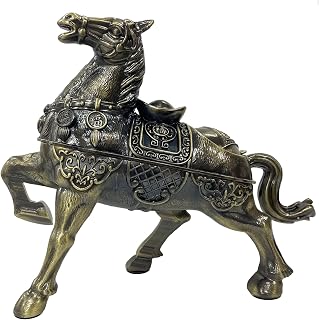
Best for: Buyers who want a decorative horse sculpture that also opens for storage. The listing describes a metal figure with a classic bronze or brass-style finish, hand-polished details, a textured mane and muscles, and a lid on the horse’s back.
This piece is better for functional decor than for someone specifically seeking a solid-brass collectible. Its storage compartment adds a practical feature, while the galloping pose gives it a dynamic look for a living room, office, or desk. The listing also presents the horse as a symbol of ambition and prosperity, which may matter to buyers choosing decor for symbolic reasons.
Why it was selected: It is clearly relevant to brass-finish horse decor and offers a useful comparison with products described as brass itself.
Limitation: The listing says the statue is cast in metal and has a brass or bronze finish; it does not establish that the object is solid brass. Buyers evaluating metal value should verify the underlying material rather than relying on the finish name.
Lukitas Horse Rider Resin Statue

Best for: Buyers who want an equestrian scene rather than a metal horse collectible. The listing describes a 10.5-inch horse-and-rider figure made of resin, with a shiny brown appearance and a non-slip felt bottom.
The detailed rider, reins, and horse create a narrative display that may suit an equestrian-themed room or a gift for someone interested in horseback riding. The seller describes the design as lifelike and associates the horse with qualities such as loyalty, grace, and ambition. Those are decorative themes, not evidence of material value.
Why it was selected: It is a relevant horse statue for readers comparing appearances and materials. Its explicit resin construction provides a useful contrast to brass and brass-finish alternatives.
Limitation: This is not a brass statue. A shiny brown finish should not be treated as proof of brass content, and resin does not have the same metal-scrap value as brass.
Copper-Colored Horse Resin Statue

Best for: Buyers who want a horse-shaped decorative accent in a copper-colored finish. The listing describes a handmade resin statue with a simple, natural style for a home, office, shelf, countertop, or table.
The product is positioned as decor for collectors and horse lovers, with the horse associated in the listing with freedom, power, and protection. Because it is made of resin, its appeal is primarily its design and display use rather than brass content. It may be a better fit for someone matching a color scheme than for someone seeking a metal antique or a brass investment piece.
Why it was selected: It helps clarify a common buying distinction: copper-colored or metallic-looking finishes do not necessarily indicate metal construction.
Limitation: The listing identifies the material as resin. It should not be valued as a brass object based on its color or styling. The supplied details do not specify dimensions or the composition of the surface finish.
Buying Guide: How to Judge Brass Horse Statue Value
A brass horse statue can have decorative, collectible, or material value, and those categories are not interchangeable. A well-presented reproduction may work beautifully as decor but have limited antique significance. A genuine brass object may contain valuable metal but still have modest resale interest if it is common, damaged, or unattributed. Evaluate the object’s identity and condition before drawing conclusions from its appearance.
Is the statue solid brass, brass-plated, or resin?
Start with the material description, maker’s marks, and any available documentation. Listings may use words such as “brass finish,” “antiqued brass,” or “bronze finish” to describe appearance rather than the underlying metal. Resin figures can imitate metal through color and surface treatment. If material is uncertain, avoid assuming that a gold, brown, or copper tone proves brass content.
For a piece you already own, inspect it carefully for marks, seams, wear, and areas where the finish differs. These clues can help guide further research but do not conclusively identify an alloy. For a high-value or potentially antique statue, seek an assessment from a qualified appraiser or metals specialist instead of using a visual guess as a valuation.
What affects collectible value?
- Maker and attribution: A known maker or documented production history can make an object easier to research and distinguish from an unmarked reproduction.
- Age and provenance: Reliable records, ownership history, or original documentation may support an age claim. An antiqued finish alone does not.
- Craftsmanship and design: Fine details, a distinctive pose, and quality of execution can affect collector interest, though taste varies.
- Condition: Dents, cracks, missing parts, repairs, corrosion, or altered finishes can influence desirability. Do not polish an older object aggressively before determining whether its patina matters.
- Rarity and demand: Uncommon designs may attract more interest, but rarity by itself does not guarantee a strong market.
- Material and weight: Solid brass differs from plated objects and resin imitations. Weight can provide a clue, but it cannot establish composition on its own.
How should you compare listings and appraisals?
Compare objects with the same maker, material, size, design, and condition whenever possible. A broad search for “brass horse statue” may combine modern decor, plated souvenirs, reproductions, and antique pieces that are not genuinely comparable. Use clear photographs of the entire figure, base, underside, marks, and any damage when asking for an expert opinion.
Also separate asking prices from completed-sale evidence when researching market demand. An advertised amount shows what a seller hopes to receive, not necessarily what buyers have paid. For an important purchase or sale, consult more than one credible source and ask how the valuation was reached.
Which type is better for display?
Choose solid brass or a brass reproduction if the metal appearance and material are priorities, but verify the specific construction. Choose a brass-finish metal ornament if the look and design matter more than a claim of solid brass. Resin figures can provide detailed scenes or decorative colors without being metal collectibles. The best option depends on whether you value material authenticity, vintage styling, storage, symbolism, or a particular horse pose.
How can you care for a brass horse statue?
Dust gently with a soft, dry cloth and avoid abrasive pads or harsh cleaners unless the maker’s care instructions recommend them. Cleaning can remove a finish or patina that contributes to an older object’s appearance. Keep the statue in a stable location where it is less likely to fall, and take extra care with mounted figures, projecting details, and wooden bases. For an object believed to be antique, ask a conservator or knowledgeable specialist before polishing it.
Frequently Asked Questions
How can I tell whether a horse statue is brass?
Check the product description, maker’s marks, and reliable documentation. Appearance and weight alone are not definitive. A brass-colored finish may cover another metal or resin, so confirm the underlying material when value depends on it.
Does an antiqued finish mean a statue is antique?
No. “Antiqued” can describe a finish or vintage-inspired appearance. The Schooner Bay Co. listing specifically describes its brass horse as an antique reproduction, so the styling should not be confused with verified age or provenance.
Are resin horse statues valuable as brass?
No. Resin statues may have decorative or collectible appeal, but they are not brass and should not be valued as brass metal. The Lukitas and copper-colored statues in this selection are described as resin.
Does a brass horse statue always have high resale value?
No. Resale value depends on factors such as maker, age, condition, rarity, demand, and verified material. Brass content alone does not establish that a statue is an antique or highly sought after.
Should I polish a brass horse statue before selling it?
Not automatically. Polishing can change the finish or remove patina that may matter to collectors. Identify the object and its condition first, and get specialist advice if it may be old or valuable.
What should I ask a seller before buying?
Ask what the statue is made of, whether it is solid brass or finished metal, who made it, whether its age is documented, and whether there are repairs or damage. Request clear images of marks, the underside, and the base when those details are relevant.